![[Re]Group: A Playbook for Turbulent Times](https://substackcdn.com/image/fetch/$s_!PUHU!,w_120,h_120,c_fill,f_webp,q_auto:good,fl_progressive:steep/https%3A%2F%2Fsubstack-post-media.s3.amazonaws.com%2Fpublic%2Fimages%2Ff2fb4256-d509-4e61-827b-2ee678efbba9_256x256.png)
![[Re]Group: A Playbook for Turbulent Times](https://substackcdn.com/image/fetch/$s_!OvcZ!,e_trim:10:white/e_trim:10:transparent/h_182,c_limit,f_auto,q_auto:good,fl_progressive:steep/https%3A%2F%2Fsubstack-post-media.s3.amazonaws.com%2Fpublic%2Fimages%2Fa2653539-a634-4ef5-9aab-bc4a7546ebc9_1344x500.png)

In their public appearances, candidates to become Secretary-General have talked a lot about the need to win back trust in the United Nations.
To find out more about that, you need to read Mariana Samayoa Martinez and George Hampton’s recent article for [Re]Group on what the polls tell the next Secretary-General.

Their synthesis of recent data shows that the public believes in the need for international cooperation, but doubts the international system can deliver real world results.
“The UN cannot rely on public relations to find its way out of a deficit of trust, because communications cannot substitute for action,” they write. “Rebuilding confidence will require tangible performance, clear alignment with public priorities, and greater visibility for real-world successes.”
I am a big believer in this delivery mantra. All things being equal, we invest our money and political capital in governance systems that demonstrably outweigh their costs.
But I am not convinced the UN gets the most bang for its buck by pitching its performance directly to the global public — at least, not outside the countries where it still has a visible footprint on the ground.
The overwhelming majority of people (wisely) spend as little time as possible thinking about multilateralism and outsource their opinions to national intermediaries.
Trust is built when domestic politicians, the media, public intellectuals, and campaigners see the multilateral system playing an essential role in one domain or another, and when they pass that message on.
This is an argument for the UN to spend its scarce resources on strategic rather than mass communications. That means substantive conversations with a few thousand actors in each country — those who can only achieve their own objectives if the international system also does its bit.
But there are some ordinary people who spend an extraordinary amount of time thinking about the UN. The problem is that many of them are the international system’s most implacable enemies.
This is not new. Few people remember Agenda 21, a non-binding agreement from the 1992 Earth Summit in Rio de Janeiro, but it looms large in the minds of those who believe it offers a blueprint for a totalitarian one-world government.
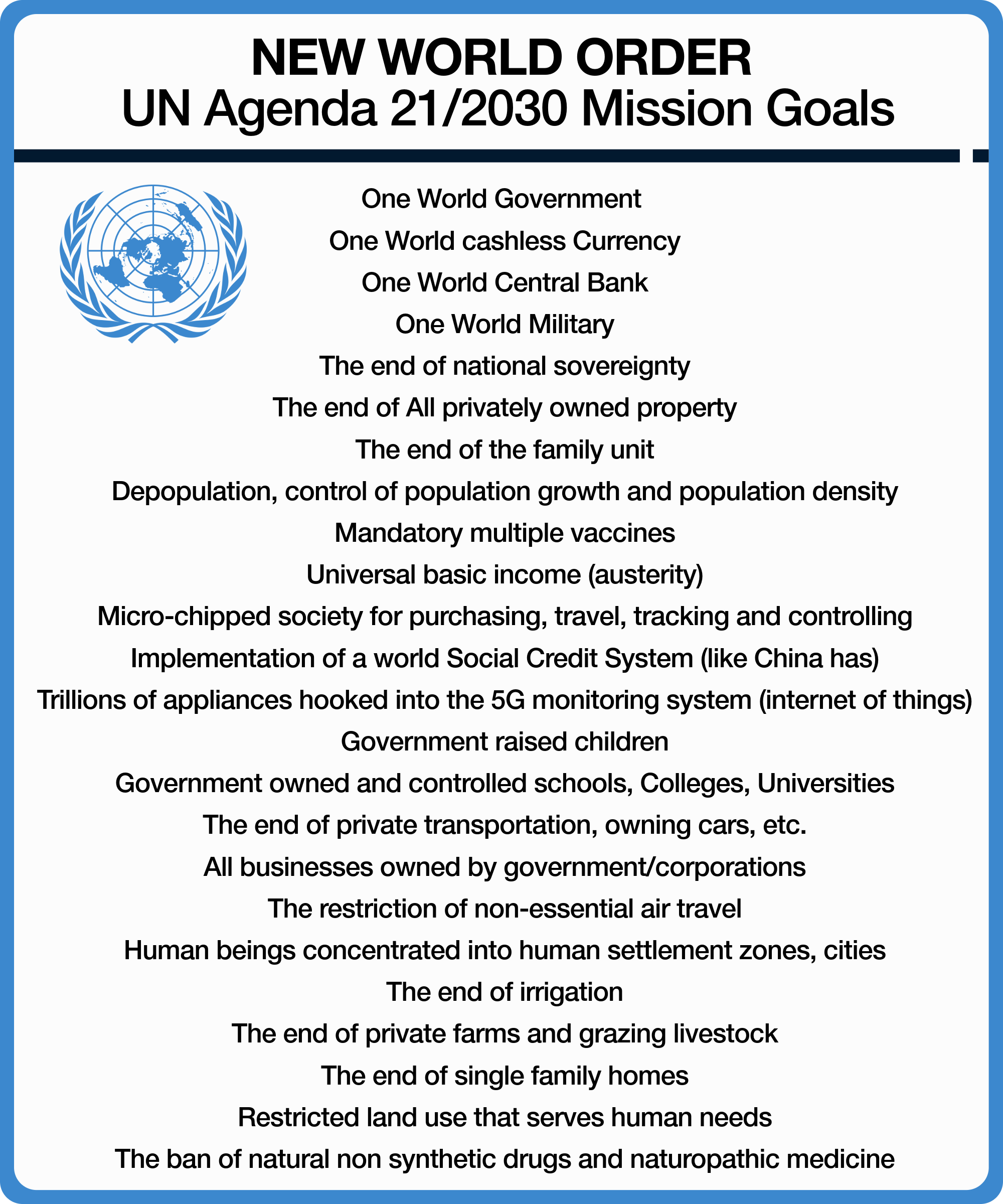
This is a conspiracy theory that smolders for years before igniting again. As it did when the Tea Party movement swept through the Republican Party in the 2010s. And again, when it was remixed with anti-vax and anti-5G messaging during the COVID pandemic.
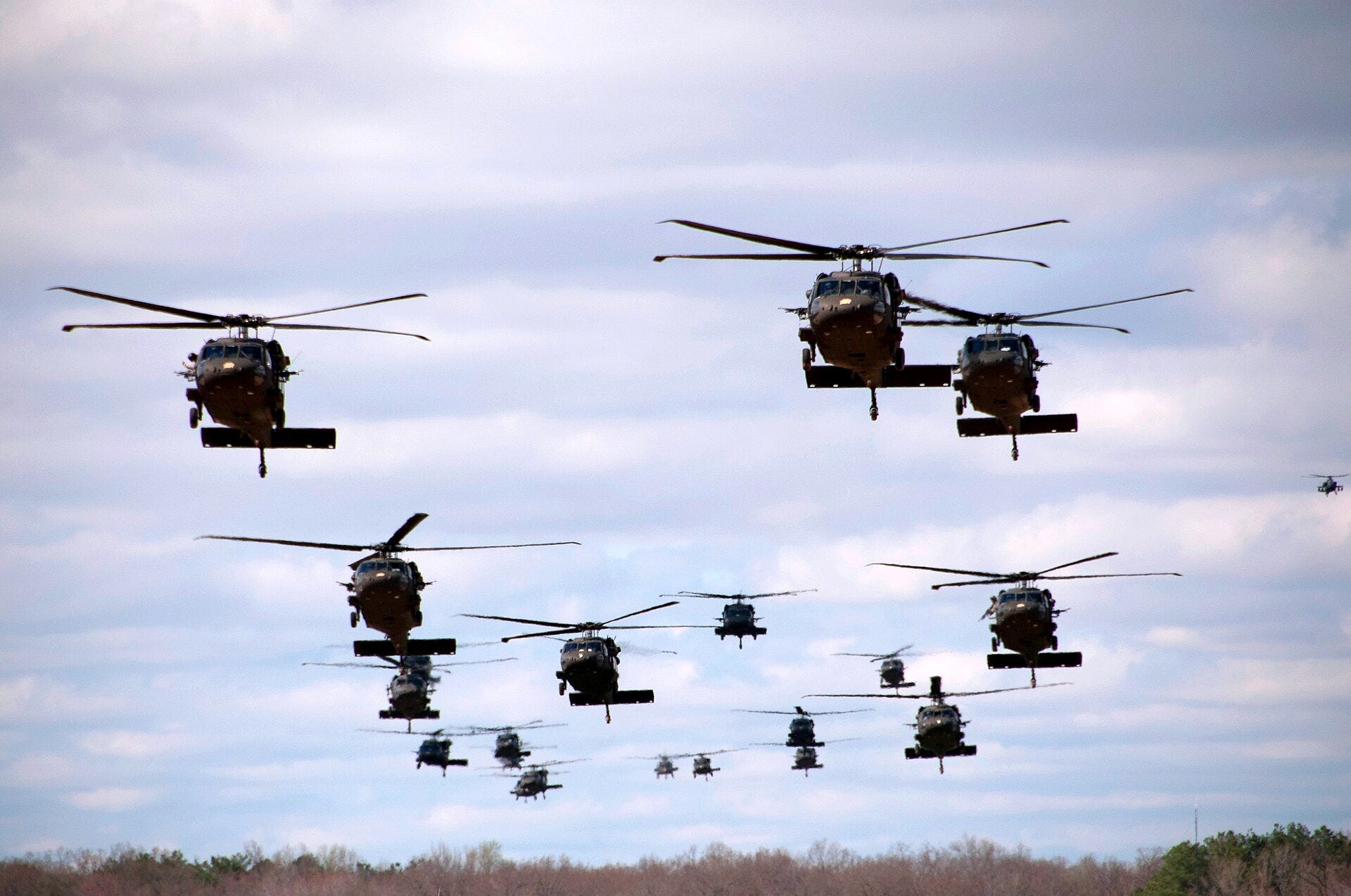
Before you discount the Black Helicopter brigade as marginal actors, remember the warning from our piece on Boutros Boutros-Ghali, the sixth UN Secretary-General:
“Underestimate this movement at your peril, as it is now winning more battles than it loses. It sunk its teeth into climate science during the Climategate leaks, which contributed to the failure of the Copenhagen climate summit in 2009. It mobilized across Europe to torpedo the 2018 Global Compact for Migration.
And it then weaponized the COVID-19 “infodemic” against the World Health Organization and its pandemic treaty. The United States threatened to leave the WHO twice — and finally found the exit.”
Populist movements thrive on conflict with an external enemy. And when that enemy lurks beyond national borders, the narrative gains mythic power: a faceless, rootless foe that will not rest until it has erased national borders, destroyed local customs, and trampled on individual freedoms.
So how does the international system respond when it triggers a populist backlash? The answer I’d have been tempted by was: “By sticking its head in the sand.”

But this week in [Re]Group, we published an interview with academics Allison Carnegie and Richard Clark. In their new book, Global Governance Under Fire, they argue that the multilateral system is not a passive victim in the culture wars. Instead, it fights back, using a mix of appeasement and marginalization to survive.

When faced with a populist playbook, the UN and other international organizations might quietly appease a hostile leader by softening their demands, or sideline them by finding new partners and funding streams. They can also help populist leaders negotiate behind the back of their constituents, or mollify those constituents by presenting their own work as a defense against predatory elites.
I sat down with Allison and Richard (before a storm knocked out Allison’s internet) to find out how the next Secretary-General can populist-proof the UN.
Allison Carnegie and Richard Clark
Five Minutes on Surviving the Populist Wave
An interview with Allison Carnegie and Richard Clark, authors of Global Governance Under Fire
[Re]Group: In your book, you distinguish between politicians who need an international enemy to rail against, and the red-meat populists who genuinely want to tear the system down. How does that distinction play out?
Allison Carnegie: We posit that populists could have one of two motives... One could just be opportunism. They see that the electorate has become more populist, and they channel that anger toward the elites because it helps them electorally... This is versus other populists who might be genuine populists, who have these deeply held ideological beliefs — anti-elitism, pro-state sovereignty... Regardless of which factor is more motivating, you get the same result, which is this anti-international, anti-global outlook.
[Re]Group: The UN is now choosing a new leader. If the next Secretary-General wanted to populist-proof the UN, and you had an hour to advise them, what would you say?
Richard Clark: The obvious one is you don’t want to be over reliant on any one country... Diversifying the base of support is vital. It could mean partnerships with the private sector, or even individual states in the U.S. like California giving money to UN climate agencies. That populist-proofs you...
Additionally, international organizations need to improve their reputations directly with the public. If citizens don’t know what public goods they are receiving, it’s really hard to appreciate them.
“Appeasement is an effort to keep the relevant actor in the fold... but giving too much to skeptical leaders can reduce perceptions of effectiveness and legitimacy.”
— Richard Clark
Read the full interview here:


Top of the Populists
Reading List
Here’s what else to read if you want to understand how populists build their movements by targeting a globalist elite.
The Global Rise of Populism: Performance, Political Style, and Representation. If you want to understand why populists succeed where traditional politicians fail, Benjamin Moffitt argues you must stop looking at their policies and start looking at their performances. “Populist leaders must negotiate the precarious balance between appearing as ordinary on one hand, and extraordinary on the other.” [excerpt]
Counter Culture: How to Resist the Culture Wars and Build 21st Century Solidarity. Before her appointment as the UK’s new development minister, Kirsty McNeill co-wrote this Fabian Society pamphlet setting out “solidarity playbook” for those trying to take the sting out of the culture wars. “Culture war issues are those concerned with identity, values and culture which are vulnerable to being weaponised by those concerned with engaging and enraging people on an emotional level, not coming to a policy settlement on a political level.” [pdf]
The SG Roundup
After last week’s straw poll, the field still stands at seven candidates. The Security Council’s next ballot is expected on August 21.
Before then, the newest candidate in the race, Uganda’s Olara Otunnu, is expected to take part in an interactive dialogue in the Trusteeship Council Chamber on August 19 from 3 p.m. to 6 p.m EDT.
However, as of a couple of days ago, he was still in Kampala, seeking a travel waiver from the U.S. Government to navigate Ebola-related travel restrictions so he can bring his campaign to New York.
Otunnu is keeping his pitch focused on the basics. “I put out a sketch which I have called ‘Outline of Agenda for the United Nations,’” he says. “Even though the UN is now occupied with a number of issues across the board, the most important single mandate for the United Nations remains the issue of peace and security.”
If you can get past the paywall, I recommend The Economist’s take on the race: Al Capone would recognise today’s world order. That’s not good. It is a candid assessment of the “gangsterish” world the next Secretary-General will inherit.
The UN doesn’t need an Eliot Ness, it argues, but a pragmatist who knows how to navigate great power politics to get things done.
And, in case you missed it…
A look back at our analysis of recent polling data, revealing a clear message for the UN’s next leader on how to rebuild trust.