![[Re]Group: A Playbook for Turbulent Times](https://substackcdn.com/image/fetch/$s_!PUHU!,w_120,h_120,c_fill,f_webp,q_auto:good,fl_progressive:steep/https%3A%2F%2Fsubstack-post-media.s3.amazonaws.com%2Fpublic%2Fimages%2Ff2fb4256-d509-4e61-827b-2ee678efbba9_256x256.png)
![[Re]Group: A Playbook for Turbulent Times](https://substackcdn.com/image/fetch/$s_!OvcZ!,e_trim:10:white/e_trim:10:transparent/h_182,c_limit,f_auto,q_auto:good,fl_progressive:steep/https%3A%2F%2Fsubstack-post-media.s3.amazonaws.com%2Fpublic%2Fimages%2Fa2653539-a634-4ef5-9aab-bc4a7546ebc9_1344x500.png)
![[Re]Group's avatar](https://substackcdn.com/image/fetch/$s_!w0DV!,w_108,h_108,c_fill,f_webp,q_auto:good,fl_progressive:steep/https%3A%2F%2Fsubstack-post-media.s3.amazonaws.com%2Fpublic%2Fimages%2F0517e9f8-af1c-41a5-b83c-2630660e4517_256x256.png)
The candidates running to be the 10th UN Secretary-General agree that trust — or more to the point, the lack of it — is a threat to the future of multilateralism.
Across a packed debate season, they have spoken of how citizens lack confidence in the UN’s ability to improve their daily lives. They have also pointed to the growing friction between Member States — especially those squaring off in the Security Council — and how this dysfunction threatens international cooperation.
The data bear this out. As Mariana Samayoa Martinez and George Hampton found in their recent analysis, the global public still backs the idea of international cooperation, but doubts the current system can actually deliver results on their priorities in areas such as peace, jobs, and health.

Unsurprisingly, the candidates have zeroed in on a prescription for the trust deficit: delivery. The UN needs to earn greater trust by doing a better job.
But there’s a catch. For populist opponents of multilateralism, the problem isn’t that the international system is failing to deliver. The problem is that they see exactly what the system is delivering, and they don’t like it.
Whether the target is net zero emissions, reproductive rights, vaccine mandates, or bailout conditionalities, populist critics don’t see the international system as toothless; they view it as a threat to national sovereignty, local customs, and individual freedoms.
They want less delivery, not more.
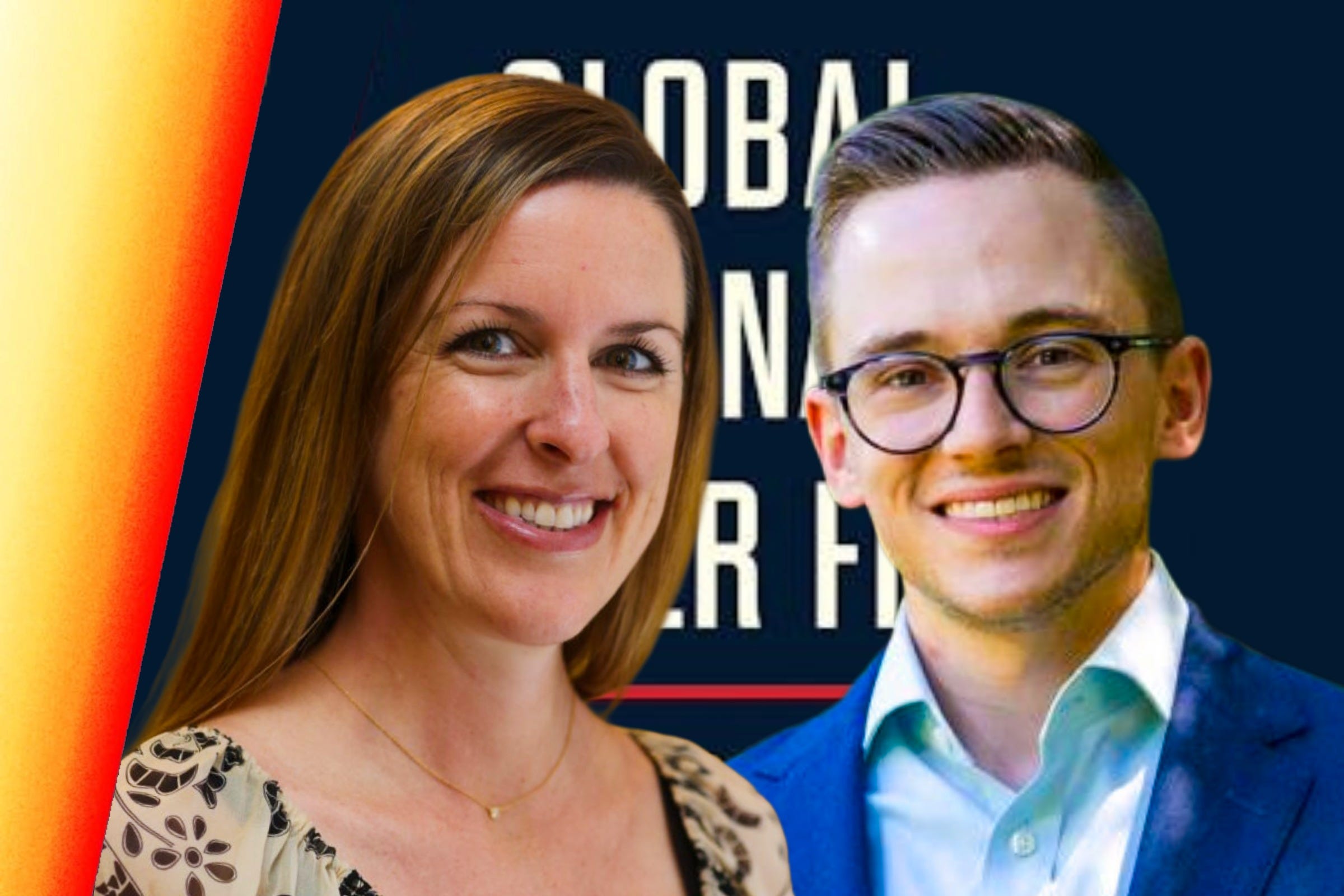
So what do international organizations do when effectiveness triggers a backlash? A new book, Global Governance Under Fire, by academics Allison Carnegie and Richard Clark, answers this question.
The Populist Playbook
You can’t counter a threat you don’t understand. Before getting to the solutions, Carnegie and Clark provide a readable primer on how populism works and why it is interested in the international system.
They use Cas Mudde’s characterization of populism as a “thin-centered ideology” — it doesn’t try to answer every question, which means it can be picked up and adapted by those who live in very different parts of the ideological spectrum.
The core creed is simple. A nation’s “true people” are locked into “perpetual conflict” with outsiders, some of whom pose a threat from the margins (immigrants, for example), but others of whom are politicians, journalists, experts, scientists, technocrats, and other establishment elites.
This anti-elite worldview makes the international system a perfect target for populist anger, Carnegie and Clark write. Multilateral bodies are “meddling institutions that impose foreign agendas and undermine the will of their domestic constituencies. By attacking global elites, populists position themselves as the authentic voice of ordinary citizens, amplifying their appeal at home.”
But populists don’t just complain from the sidelines; they actively aim to hollow out multilateral institutions and reduce their capacity to undermine the will of the “true people.”
Carnegie and Clark break this playbook into a spectrum of disruption:
Toxic Communication: The cheapest weapon in the arsenal. Scapegoating international organizations through speeches and social media to erode public trust and score cheap points with the domestic base.
Information Manipulation and Effort Withholding: Deliberately hiding vital economic or health data, skipping critical meetings, and simply ignoring rulings to hobble an institution’s ability to function.
Co-optation: The inside job. Installing loyalists in key positions to actively derail an organization’s original mandate from within.
The Nuclear Options: When lower-level sabotage isn’t enough, populists escalate. They slash funds, launch competitor bodies, or execute the ultimate disruptive act: exit (think Brexit or the U.S. withdrawing from the Paris Agreement).
What sets Carnegie and Clark’s work apart is that they don’t view international organizations as passive victims. In their analysis, international organizations are strategic players that actively fight back, maneuver, and defend their mandates — and the authors have an impressive body of empirical evidence to show how it’s done.
They also highlight the dangers inherent to these defensive maneuvers. Strategies like appeasing hostile leaders might keep them at the table, but they can erode the institution’s legitimacy in the eyes of cooperative Member States.
We caught up with them to talk about how institutions survive when they’re in the line of fire, and what all of this means for the next Secretary-General.
⛈️ Note: Allison joined for the beginning of the conversation before a storm knocked out her internet, leaving Richard to walk us through the rest of their research.
How Institutions Respond to Populism
[Re]Group: In your book, you distinguish between the performative end of populism — politicians who want an international enemy to rail against — and the red-meat populists who genuinely want to tear the system down. Tell me a bit more about that distinction.
Allison: We posit that populists could have one of two motives, or a combination, that led them to become populists.
One could just be opportunism. They see that the electorate has become more populist, and they channel that anger toward the elites because it helps them electorally. Maybe they don’t have genuine views, but are just riding a populist wave.
This is versus other populists who might be genuine populists, who have these deeply held ideological beliefs — anti-elitism, pro-state sovereignty. What we think is probably the norm is some mix of those two motivations.
Regardless of which factor is more motivating, you get the same result, which is this anti-international, anti-global outlook.
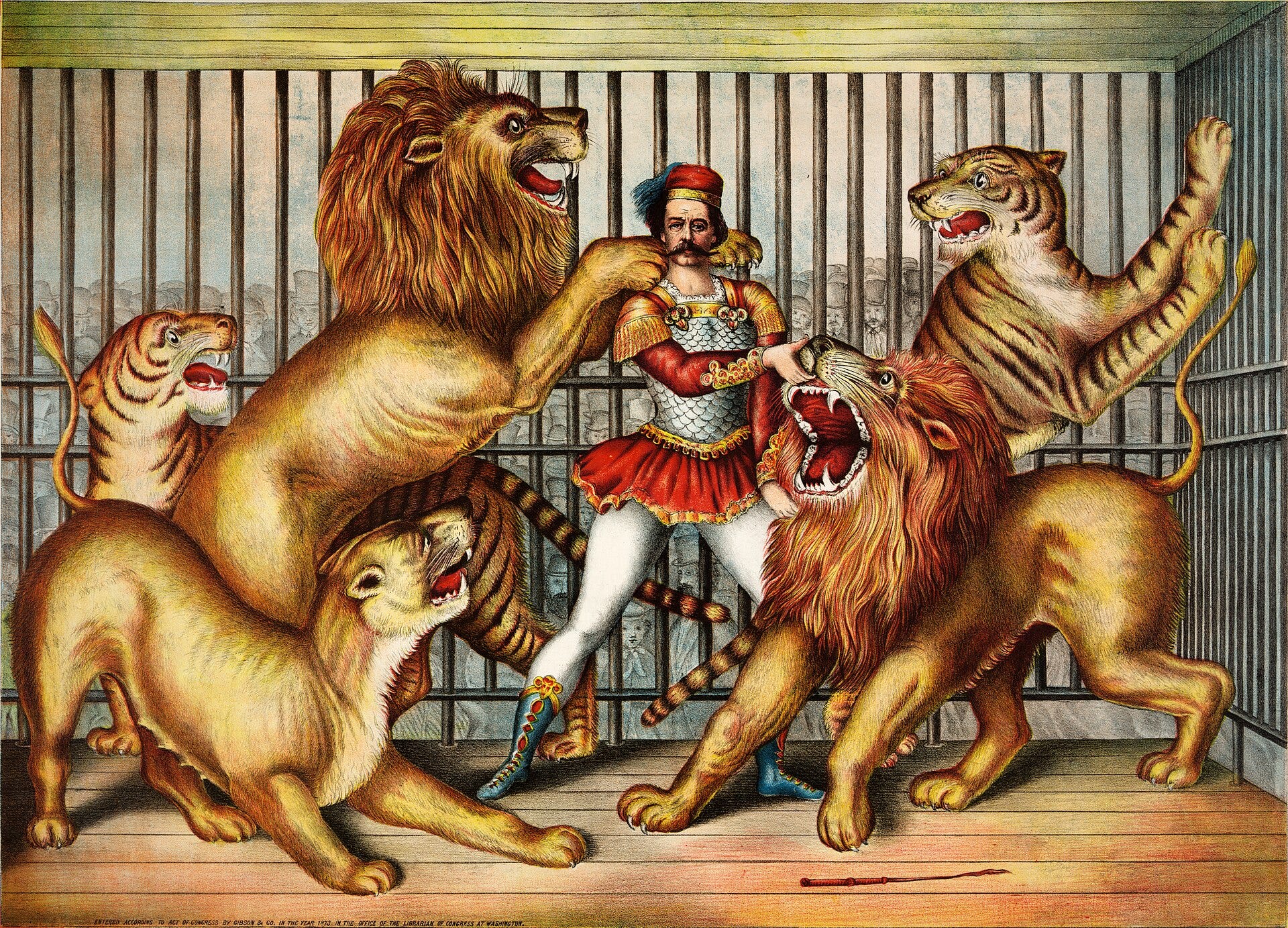
[Re]Group: You describe a four-part defensive playbook that international institutions use to counter populists. They target either populist leaders or their domestic constituents, and use two primary methods: appeasement (offering concessions to retain engagement) and sidelining (working around or obscuring engagement).
Is this playbook deliberately constructed and deployed, or is it an ad hoc reaction when an organization finds itself in the line of fire?
Richard: Our framework is a way of sorting disparate responses into a set of categories, but the impression Allison and I got is that it’s pretty ad hoc. You have a challenge from an actor like Donald Trump, and in the moment, you say, “How do we respond to this? What do we do to keep him in the fold?”
If it’s an ad hoc approach, they might choose a suboptimal strategy or rely too heavily on one strategy in ways that damage legitimacy.
If you choose appeasement — giving more vote share, more money, or bigger loans to populist leaders consistently over time — countries that are cooperative will take notice. They’ll think this is bias, and it reduces legitimacy. A comprehensive ex-ante strategy allows you to balance your responses in ways that preserve that legitimacy.
[Re]Group: Let’s look at a concrete example of that balance. You use UN peacekeeping as a case study in how Secretary-General António Guterres and his team executed a mix of appeasement and sidelining.
Faced with a threat from the American administration to cut the UN peacekeeping budget, you say that the Secretary-General framed UN reforms in business-friendly terms (”leaner, more efficient”), while cutting $600 million from the budget. At the same time, he sidelined the U.S. by forging stronger peacekeeping alliances with Europe and Latin America and utilizing technology like drones or satellites to replace U.S. intelligence.
This kept the U.S. in the tent and led to only a modest funding cut, allowing operations to survive intact, with Trump even publicly praising Guterres’ efforts.
Take me through how this example worked.
Richard: Appeasement is an effort to keep the relevant actor in the fold. Peacekeeping is a space where a number of organizations are offering services to countries. The fear is always that if a leader is unhappy, they can go elsewhere. So, some baseline level of appeasement, or saying you’re working with the leader on amenable terms, is necessary.
At the same time, the UN is cognizant that giving too much to skeptical leaders can reduce perceptions of effectiveness and legitimacy. So, some attempt to sideline in order to diminish the impact that skeptical leaders have on your operations is also important. It’s a nice case because it demonstrates the need to balance keeping the country in the fold while limiting the damage they can cause to institutional legitimacy.
[Re]Group: How do you feel the UN came out of this experience? Did it manage to protect its legitimacy and license to operate?
Richard: Peacekeeping is a tough area for legitimacy because there’s this long history of incidents on the ground — like sexual abuse among UN peacekeeping missions. Legitimacy is already teetering, and there are new actors entering this space who can plausibly offer peacekeeping services without this troubled history.
It’s necessary for the UN to think really hard about how to balance these categories to preserve the legitimacy that’s left. They actually performed quite well on this dimension because they were careful not to lean too hard on appeasement and not look like they were giving in too much to hostile leaders.

Why Populists Drive a Harder Bargain
[Re]Group: You have data showing that the International Monetary Fund (IMF) reduces its conditionality substantially for populist leaders. Reading it, I thought that one of two different things could be going on. Maybe it just indicates the international financial institutions don’t need as much conditionality as they think they do. Or maybe they’re just giving a better deal to governments who make more of a fuss — which creates incentives for everybody to negotiate harder. How do you unpack that?
Richard: I do a lot of work on the IMF, and bargaining between countries and the Fund. The research is leverage-based. The IMF tries to extract as many reforms as they can — privatization, neoliberal reform — and countries try to avoid them because the short-term economic and political costs are severe.
The literature suggests that leverage drives reductions in conditions. If you’re an elected member of the UN Security Council, or if you vote with the U.S. more often in the General Assembly, you get big cuts in conditions because the U.S. is more willing to intervene on your behalf.
But increasingly, scholars are thinking about domestic political variables. If you have a pro-labor government, it’s hard to push through labor reforms, so you get fewer labor conditions. If you’re a populist, you’re able to credibly say, “I’ll just not take this loan and default,” or “I’ll go to China.”
The credibility of this opposition enables them to bargain harder than another country would.
[Re]Group: We recently had Ambassador Philip Thigo, Kenya’s tech envoy, on our podcast, and he talked about his country’s popular uprising against IMF conditionality, and how it has reordered the way Kenya deals with the international system. How does that kind of on-the-ground populist anger fit into your model?

Richard: The IMF is the most extreme case you can get for populist anger and opposition. There’s a lot of research on African populism and resistance to international courts, which disproportionately rule against Sub-Saharan African countries.
I’ve done research on geopolitical literacy in developed versus developing countries. If you ask someone in Kenya, Ghana, or Zambia how much aid they get from various countries and what the conditions are, they can tell you. In a survey we did in Ghana, citizens could pinpoint that China demands one thing and the U.S. demands another, and they trade off those conditions.
It makes sense because foreign policy decisions impact their daily lives — infrastructure, jobs, etc. The Kenya case was a perfect storm of high literacy about what the IMF does and the politicization of these institutions.
Fear and Loathing Inside the Machine
[Re]Group: You conducted dozens of interviews with people working inside the international system. Can you give me examples of how individuals are grappling with populist attacks on a personal level?
Richard: There was a lot of anger among many of the folks we talked to, and it cut in two directions.
One is: “We are a public goods provider for these countries, and now we have ungrateful leaders that are pulling back.” The sense is that financial contributions are a great deal for these countries.
There were accusations that populist leaders are ignorant and take for granted the things international organizations do. It’s only after a pandemic comes that they understand they need something in place.
Another thread was real fear about the demise of these institutions. When there are no mandatory financial contributions, it’s easy to see how the organization can unravel if actors withdraw funding. For operational bureaucrats, their livelihoods are at stake.
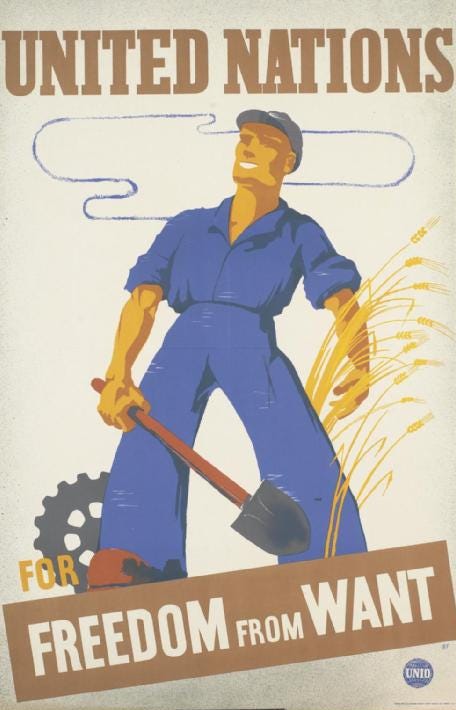
It’s not a great time to be in the expertise business. People in these institutions care deeply about their mission — economists take big pay cuts to work at the World Bank instead of JP Morgan. It’s deeply frustrating for them to see resources pulled away.
How to “Populist-Proof” the UN
[Re]Group: Let’s look at the World Health Organization. Your case study is right in the midst of the COVID-19 crisis. Does a global crisis make it easier for an institution to respond to populist pressure because the pace is forced, or is it more difficult?
Richard: A crisis gives them some space to change their operations rapidly because there’s a general expectation that you have to be deft to meet the moment. The difficulty is that it’s exactly when you most need resources, yet you have resources being taken away.
The WHO is a good example of an institution that wasn’t prepared to have its funding or information cut off in a moment of crisis. If your budget is mostly from voluntary U.S. contributions and the U.S. becomes dissatisfied, you’re in a dangerous place. In the moment, it was really difficult for the WHO to respond, but over the medium run, it sparked productive reform. The WHO has now diversified its base of information and financial resources.
Other countries are stepping up, and you have strengthened partnerships with private actors and NGOs like the Gates Foundation providing support.
[Re]Group: In the conclusion of your book, you argue that international organizations should move to a proactive approach to populism, suggesting preemptive strategies for both appeasement and sidelining.
For example, actively retreating from polarizing issues to appease governments, or promoting narratives that show how multilateralism protects ordinary people to appease constituents. You also mention sidelining populists by increasing the cost of exit, or even increasing secrecy so populist leaders have a safe, leak-proof backchannel to work with the system without facing domestic criticism.
The UN is now choosing a new leader. If the next Secretary-General wanted to populist-proof the UN, and you had an hour to advise them, what would you say?
Richard: The obvious one is you don’t want to be over reliant on any one country. Look at the U.S. and China at the World Bank and IMF. The U.S. is the majority stakeholder. Over the last decade, these institutions have reallocated institutional authority to India, China, and rising states. With that comes larger financial contributions, and you have a different set of actors heavily invested.
For agencies like the UNFCCC or WHO, you want lots of countries from the Global North and Global South invested financially. Diversifying the base of support is vital. It could mean partnerships with the private sector, or even individual states in the U.S. like California giving money to UN climate agencies. That populist-proofs you, making sure you are insulated if any one actor becomes hesitant.
Additionally, international organizations need to improve their reputations directly with the public. If citizens don’t know what public goods they are receiving, it’s really hard to appreciate them.
[Re]Group: The system is bad at that. They’re so keen to bang the drum about what’s not working that they are awful at articulating the public goods they do create.
Richard: That’s exactly right. Look at USAID collapsing under the Trump administration. Now there are reports that the collapse cost hundreds of thousands of lives. Suddenly public support for foreign aid has gone up, but now it’s too late. That message needed to be clear two years ago.
You have to constantly be in communication with Member States, making clear all the benefits they’re receiving and ensuring their publics understand those benefits. It’s about merging public relations with material negotiation.
The Bottom Line: The Paradox of Survival
So, to bring us full circle: the SG candidates aren’t wrong that “delivery” is central to rebuilding trust. But greater impact can also intensify populist opposition.
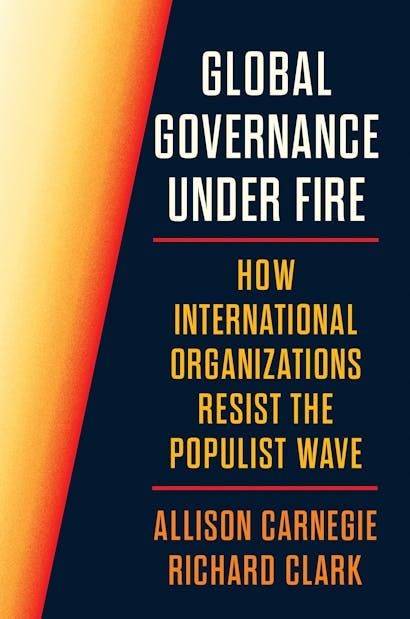
Moreover, as Global Governance Under Fire argues, the defensive playbook carries its own risks. Using backchannels to allow “performative” populists to cooperate keeps the lights on, but it degrades democratic transparency. Appeasing hostile leaders with concessions rewards bad behavior and damages institutional fairness.
Appease populists too openly, and you end up alienating your friends.
If the 10th Secretary-General wants to safeguard multilateralism, they will need to balance these trade-offs: appeasing when necessary, sidelining when threatened, and diversifying their base of support before a crisis hits.
Institutional survival may sometimes require backroom deals, but long-term trust requires the UN’s members — governments but also “we the peoples” — to believe the system is on their side.
This conversation has been edited for length and clarity.
