![[Re]Group: A Playbook for Turbulent Times](https://substackcdn.com/image/fetch/$s_!PUHU!,w_120,h_120,c_fill,f_webp,q_auto:good,fl_progressive:steep/https%3A%2F%2Fsubstack-post-media.s3.amazonaws.com%2Fpublic%2Fimages%2Ff2fb4256-d509-4e61-827b-2ee678efbba9_256x256.png)
![[Re]Group: A Playbook for Turbulent Times](https://substackcdn.com/image/fetch/$s_!OvcZ!,e_trim:10:white/e_trim:10:transparent/h_182,c_limit,f_auto,q_auto:good,fl_progressive:steep/https%3A%2F%2Fsubstack-post-media.s3.amazonaws.com%2Fpublic%2Fimages%2Fa2653539-a634-4ef5-9aab-bc4a7546ebc9_1344x500.png)

“The time of maximum pessimism is the best time to buy.”
I woke up thinking about this quote after yesterday’s meeting of the International Climate Politics Hub.
The session started with a preview of a forthcoming report from the UN Environment Programme (UNEP) on the overshoot of the 1.5°C threshold, agreed to in Paris in 2015.
I am not breaking the report’s embargo if I reveal that the news is not good. UNEP has already shown that pathways to 1.5°C are out of reach. The challenge is “to make this overshoot temporary and minimal.” And then to work out how to bring temperatures back down (assuming that is even possible).
The group met as news spread about the scale of the climate disaster in Nepal, where a collapsing glacier triggered catastrophic floods. It has been a year of soaring temperatures and wildfires, and the worst of a record-breaking El Niño is yet to come.
As the UN’s climate chief recently warned: “The climate alarm is blaring, from every direction.”
Bereft of Life, It Rests in Peace!
I was the bearer of a different type of bad news. The alarm may be blaring, but in the race to be the next UN Secretary-General, no one seems to be listening.
Before my presentation, I sifted through our transcripts of the candidate debates and hustings, which run to hundreds of thousands of words.
I found just two mentions of 1.5°C (both in questions from the government of Palau on behalf of the Alliance of Small Island States). Climate is not a top-tier issue in a race dominated by peace and security, UN reform and insolvency, and AI as the new kid on the block.
When climate does get a look in, finance predominates. Candidates win plaudits when they say that vulnerable countries shouldn’t have to pay for damage they haven’t caused. But they skate over who they expect to foot the bill, given that this is a race you win by avoiding controversy.
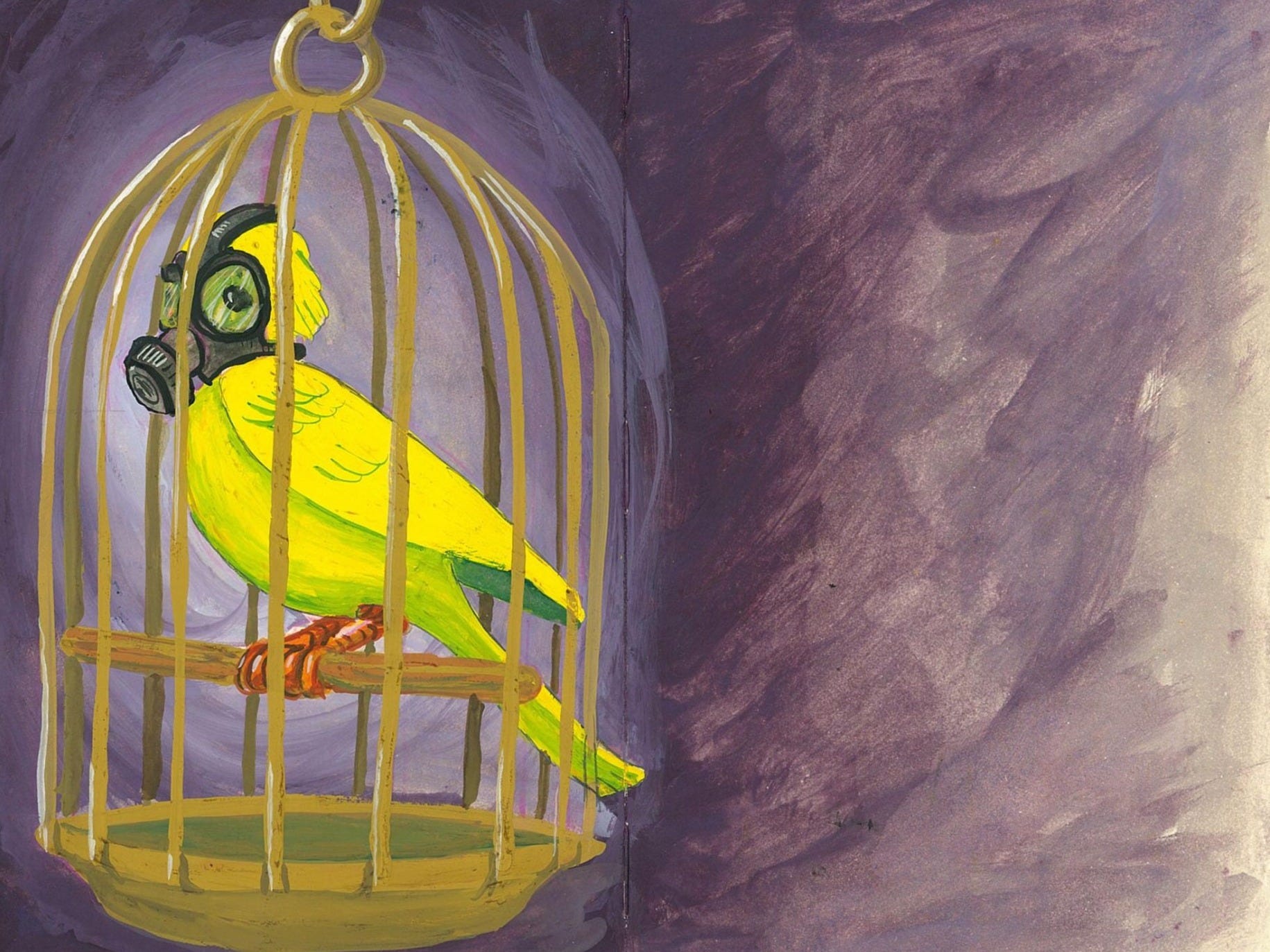
But look at what’s not there. Decarbonization. The end of fossil fuels. Net zero emissions. These themes have barely registered in the debate. Watch the UN’s leadership transition, and it would seem that the push to cut global emissions is as dead as Monty Python’s proverbial parrot.
What if it Worked?
2015 was a big year for the international system. In our series on development, we covered the rise and fall of the “supremely ambitious” Sustainable Development Goals. Yes, that’s a direct quote from the 2030 Agenda. The hubris!
The Paris Agreement was adopted less than 80 days later, but it was built on a sturdier foundation. The UN has a dominant position in environmental governance that dates back to the ozone diplomacy of the 1980s. It has used this authority to build a climate regime that acts as “an enabler and driver of ambition and action.”
During the build-up to Paris, I was not a big fan of the push for 1.5°C, primarily because I believed at the time that we’d be lucky to keep warming below the previous limit of 2 degrees. That now looks too pessimistic.
So where do things stand now?
Before Paris, we were charging toward a 4°C world by the end of the century. Early Paris commitments moved the needle to 3–3.5°C, while today’s policies put us on a 2.8°C trajectory.
But make the (heroic) assumption that everyone keeps their current net zero promises, and warming over the century would be limited to 1.9°C. And that is before we price in the next wave of clean energy breakthroughs or future tightening of policy.
In any case, the super tanker has started to turn. That’s an impressive return on forty years of international climate diplomacy.
Gone but Not Forgotten
If you’re old enough to remember when net zero was ubiquitous, you’ll have noticed that the cool kids have moved on with the same ruthlessness with which they packed away their Stanley Cups and Vinted their Supreme hoodies.
But I remain a net zero fan. Not for what it is now, but for what it was, where it came from, and what it achieved.
Its origins lie in 2013, when a group of women lawyers, financiers, diplomats, and activists gathered around a kitchen table at Glen House, a country estate in Scotland, in search of an “organizing principle” for the delivery of climate promises.
Net zero — the balance between greenhouse gases put into the atmosphere and those taken out — was controversial from the start. Many campaigners and scientists worried the “net” loophole allowed for a “burn now, pay later” approach. The American right later led a political backlash, successfully framing it as job-killing “woke capitalism.”
For a while, though, net zero reigned supreme, sweeping through countries, cities, and boardrooms, driving an estimated $2.3 trillion annually into the low-carbon transition.
No two words have ever moved so much capital so quickly. It is unlikely that any will ever again.
Wanted: A Big Idea
Net zero is dead. And that’s okay. It was an organizing principle with a limited shelf life. It did its job for a while and then fell victim to its own success.
What is not okay is that there is no big idea (or ideas) to replace it. Or if there are, they’re being cooked up in some kitchen somewhere, and we haven’t heard about them yet.
That is why the Secretary-General challengers are avoiding talking about climate if they can. This is an issue whose UNGA zenith was in 2019, when Greta Thunberg was escorted up the Hudson by a fleet of UN ships, each carrying a sail painted with one of the SDGs.
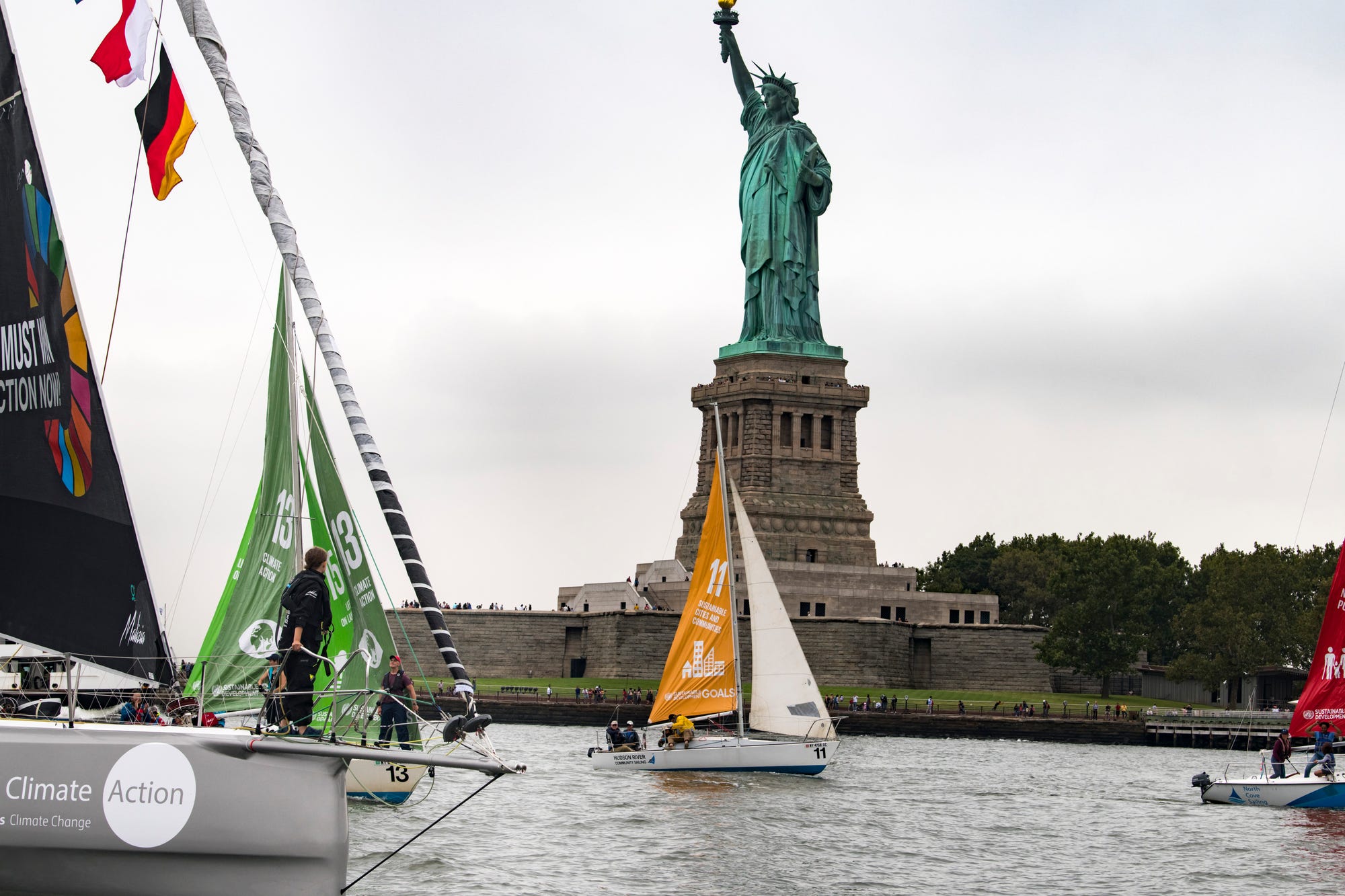
At the summit that followed, the Secretary-General declared that the “ticket to entry is not a beautiful speech, but concrete action,” demanding “more and more ambition, more and more pressure, and more and more good, old-fashioned truth-telling.”
Today’s candidates would be asking for a veto if they talked like that. And you’d have to be mad to think that the 10th Secretary-General will make climate a signature issue in the way their predecessors have.
The Contrarian Playbook
Well, I am mad. So here’s some unsolicited advice for the brave soul who wins the leadership contest. Everyone is telling you to do fewer things. Which is fair enough. But decarbonization has to be on your list of top priorities.
Three reasons. First, you can’t fight physics. On this issue, the atmosphere sets the pace, not the politicians.
Second, the gap between the demand for action and the supply of solutions is your opportunity, as Elizabeth Cousens argued in her essay on the multilateralist’s paradox.
And third, climate mitigation is the stealth geopolitical issue, as Bruce Jones and I explained in our 2014 book for Brookings. The regulation of carbon is changing the rules of global competition and rewiring the global order. Even if it fades from view for a while, it will always be an issue that governments will compete and fight over.
That is why I cannot get the maxim from legendary contrarian investor Sir John Templeton out of my mind: “Buy at the point of maximum pessimism.”
To do that, the next Secretary-General will need both quick wins on decarbonization in their 2027 playbook and a vision for what the next organizing principle for climate is going to be.
Expect that organizing principle to be a lot less Kumbaya than the net zero era, as these are less benign times. The new direction will pitch the climate transition into the brawl over energy, trade, and economic supremacy, but will be driven by contested oil markets and the relentless rise of renewables.
More on this soon on [Re]Group. And, as always, pitch us an idea for an interview or an article if you want to contribute to the debate.
The Geopolitics of Climate Change
Reading List
What to read on the intersection between climate politics and statecraft.
The Ministry for the Future by Kim Stanley Robinson
“India had paid the price. More people had died in this heat wave than in the entirety of the First World War, and all in a single week...” Recommending Robinson’s novel in climate circles has become a bit of a cliché. But it remains the best thing you can read on the geopolitics of climate change, capturing what happens as the pressure of a changing climate upends the global order.Climate Action in the Age of Great Power Rivalry by Scott Moore
“The key point now is not what climate change will do for geopolitics, but what geopolitics does to climate change…” A primer from the Kleinman Center for Energy Policy explores how zero-sum great power rivalry reshapes climate action.
Can Renewables Industrialize Africa? by Mohamed Adow
In Foreign Affairs, Adow argues that cascading energy shocks are driving a rush for renewables across the African continent. African nations want to be “electro-states” not “petro-states.” But while the U.S. pushes fossil fuel projects, China is building and financing clean energy ecosystems. “Africa is now at the center of the world’s clean energy push, no longer at its periphery.”
The SG Roundup
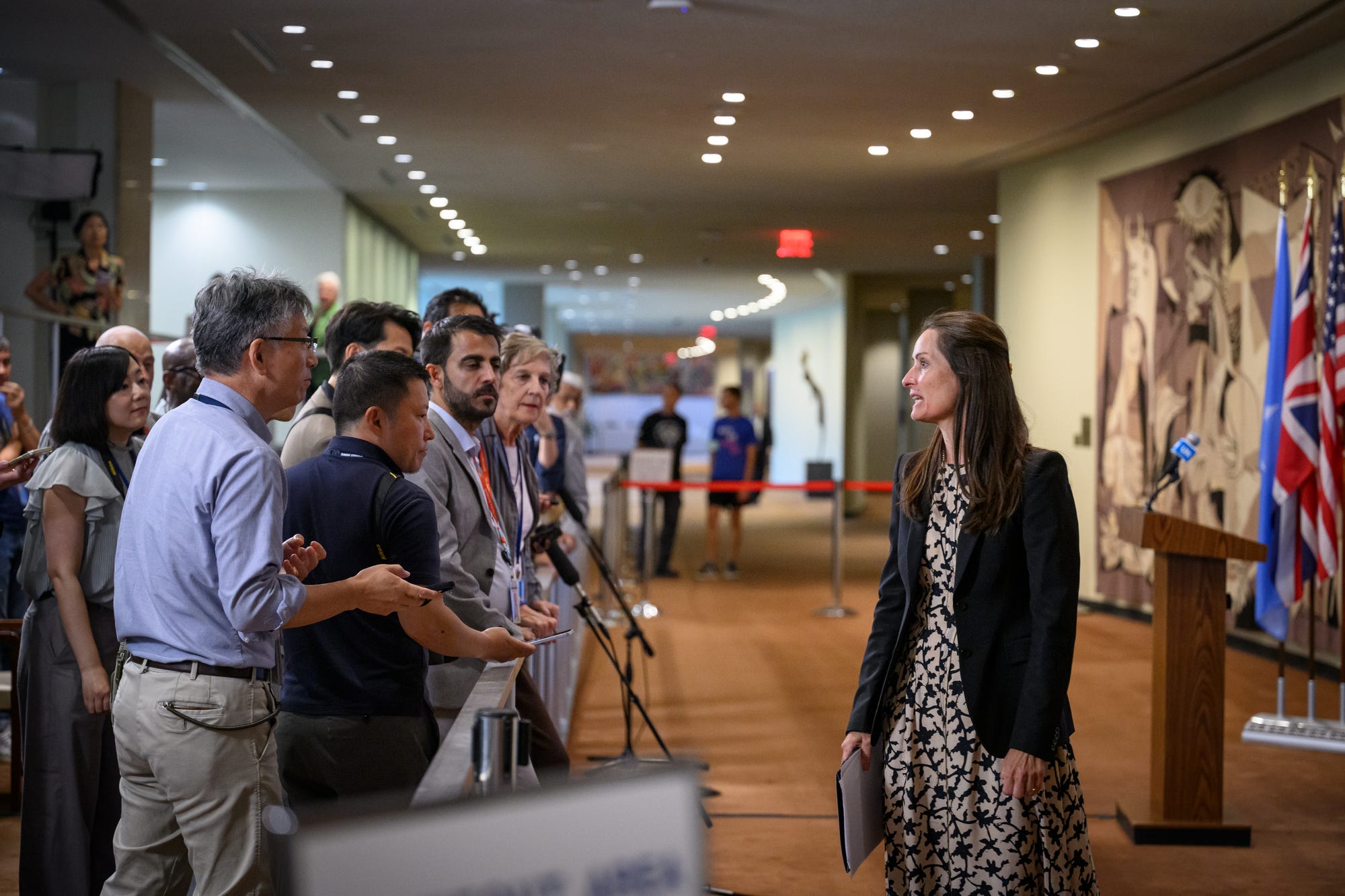
Not much news to add to the last Weekly. But it is still worth looking at our tracker to see just how much more negative Security Council members were in the second straw poll compared to the first.
There may be one more poll before UNGA, but the decisive phase of the race won’t begin until the leaders have left New York. There are the usual rumors about late-entry candidates, but nothing official to report yet.
Lots of good coverage though. Read the Financial Time’s exit interview with António Guterres. UN Foundation’s Peter Yeo on why this race is different from all the others (Washington Post). And why Africa has a “clear and coordinated strategy” for the race (via the Turkish state-owned TRT Afrika).
From the Archive
Dig into our archive and listen to our World’s Toughest Job episode with Arunabha Ghosh, Ana Toni, and Jacob Ellis. Plus some bonus articles.


ICYMI
Read our latest on the future of UN development.

