![[Re]Group: A Playbook for Turbulent Times](https://substackcdn.com/image/fetch/$s_!PUHU!,w_120,h_120,c_fill,f_webp,q_auto:good,fl_progressive:steep/https%3A%2F%2Fsubstack-post-media.s3.amazonaws.com%2Fpublic%2Fimages%2Ff2fb4256-d509-4e61-827b-2ee678efbba9_256x256.png)
![[Re]Group: A Playbook for Turbulent Times](https://substackcdn.com/image/fetch/$s_!OvcZ!,e_trim:10:white/e_trim:10:transparent/h_182,c_limit,f_auto,q_auto:good,fl_progressive:steep/https%3A%2F%2Fsubstack-post-media.s3.amazonaws.com%2Fpublic%2Fimages%2Fa2653539-a634-4ef5-9aab-bc4a7546ebc9_1344x500.png)

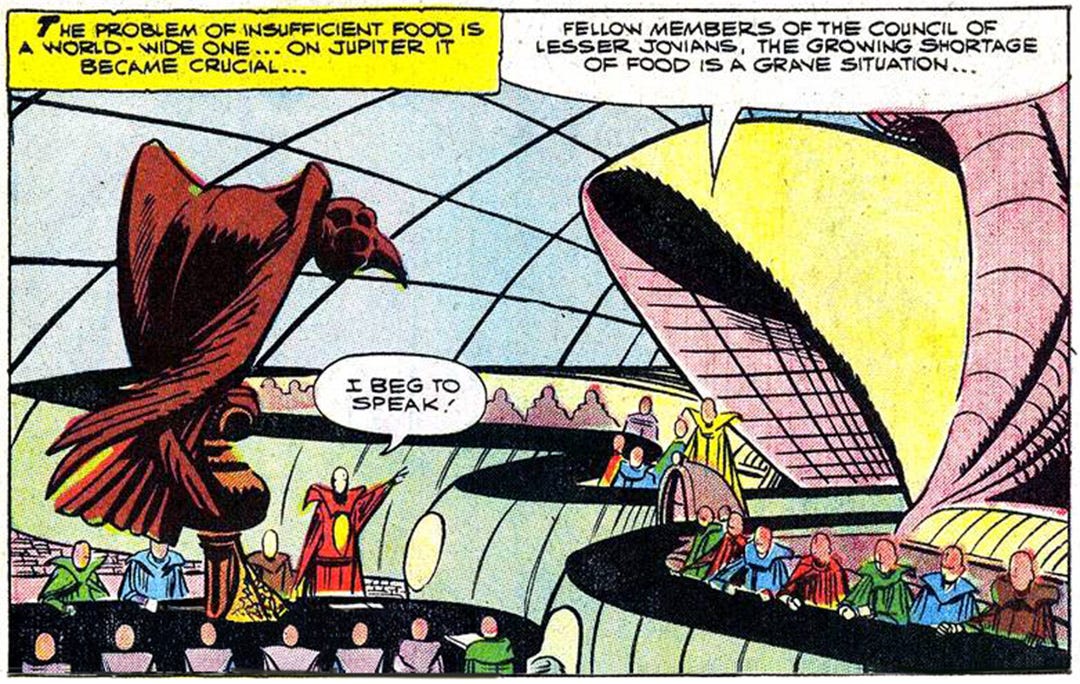
“Out from that platform back clear to the great room’s towering walls were ranged the countless rows of seats, just filling now with the great Council’s thousands of members.”
— Edmond Hamilton, “Within the Nebula,” Weird Tales, May 1929
In 1929, an Ohio pulp writer named Edmond Hamilton introduced sci-fi readers to the Council of Suns.
As a futurist, his atomic rays and doomed planets have dated badly. But as a political soothsayer, he hit the mark. In his story, Within the Nebula, delegates from “every peopled star” gather as equals to confront “the greatest and most terrible danger, in fact, that has ever threatened our universe!”
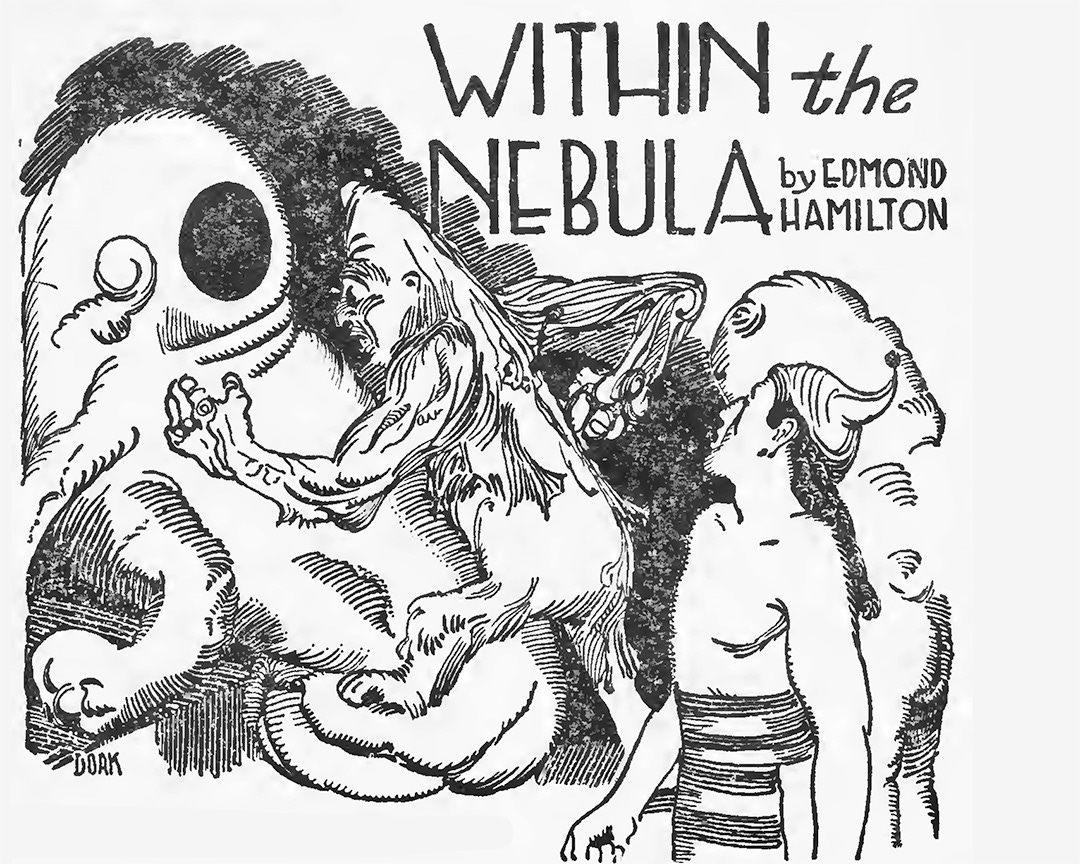
Almost a century later, the United Nations hasn’t reached the stars (as yet), but its General Assembly, which today started its 81st session, performs the same function: bringing everyone into the room to confront crises that threaten us all at once.
The power of the room
Hamilton was not the only science fiction writer to imagine a galactic assembly in his worldbuilding.
In Star Trek, Gene Roddenberry gave us the Federation Council, where Earth is one voice among many. J. Michael Straczynski built Babylon 5 as a United Nations in space, neutral ground where rival powers can talk. And George Lucas created the Galactic Senate for a galaxy far, far away.
Each writer gives their institution different powers: votes, budgets, even fleets to enforce their mandate. But I find the fiction most interesting when the formal powers fail, and all that remains is “the room” and the people who gather in it.
Lucas’s Senate appears to exist mostly so we can watch a democracy applaud its own death. Andor, a TV spin-off that follows the early years of the rebellion against the Galactic Empire, takes this scenario to its limit. Its second season is set inside an Imperial Senate that everyone, its own members included, knows is a veneer. The Empire has won, and the votes stopped counting long ago.
Still, Senator (and later rebel leader) Mon Mothma rises to deliver a rousing speech. The chamber has been stripped of all the enforcement powers it once held, but she takes the floor anyway. When a room can still hold people with clashing interests in the same place, the potential for political action is still there.
For witnessing, persuading, and dissenting. For recognizing each other's existence and interests, even if only to deny them. For building coalitions and, sometimes, for cooperating.
All states large and small
In 1945, the UN’s founders had the failure of the League of Nations in mind, but they still chose to build what grew to be a universal political forum.
When the League was finally dissolved in April 1946, French delegate Joseph Paul-Boncour drew the following lesson: “It was not the League which failed. It was not its principles which were found wanting. It was the nations which neglected it. It was the Governments which abandoned it.” This resonated so strongly that Churchill would lift the sentiment almost word-for-word a few months later.
Heeding these lessons, the UN’s “architects” did not simply rebuild the League. They made a bargain with political reality, designing an institution governments would be less likely to walk away from. The result had two halves: a Security Council where great powers got their vetoes, and a General Assembly where every state, large or small, got one seat and one vote.
For all that careful design, the Assembly is often still derided as a talking shop. It passes no binding law. It can’t end the wars on its agenda, and even when it does take them up, it risks stepping on the Security Council’s toes - and on a really bad day, it may even struggle to agree on what to call the thing everyone is arguing about.
So what is its value?
The shadow of the future
Part of the answer to this question lies in the room itself.
The General Assembly keeps a representative from every nation in the same space. It acts as what Hannah Arendt called the ordinary table, which “relates and separates” the people around it. In Andor, Mon Mothma understands that the Imperial Senate, however hollow, does the same thing. Its power is gone, but it still brings the powerful together, and its proceedings are transmitted across the galaxy.
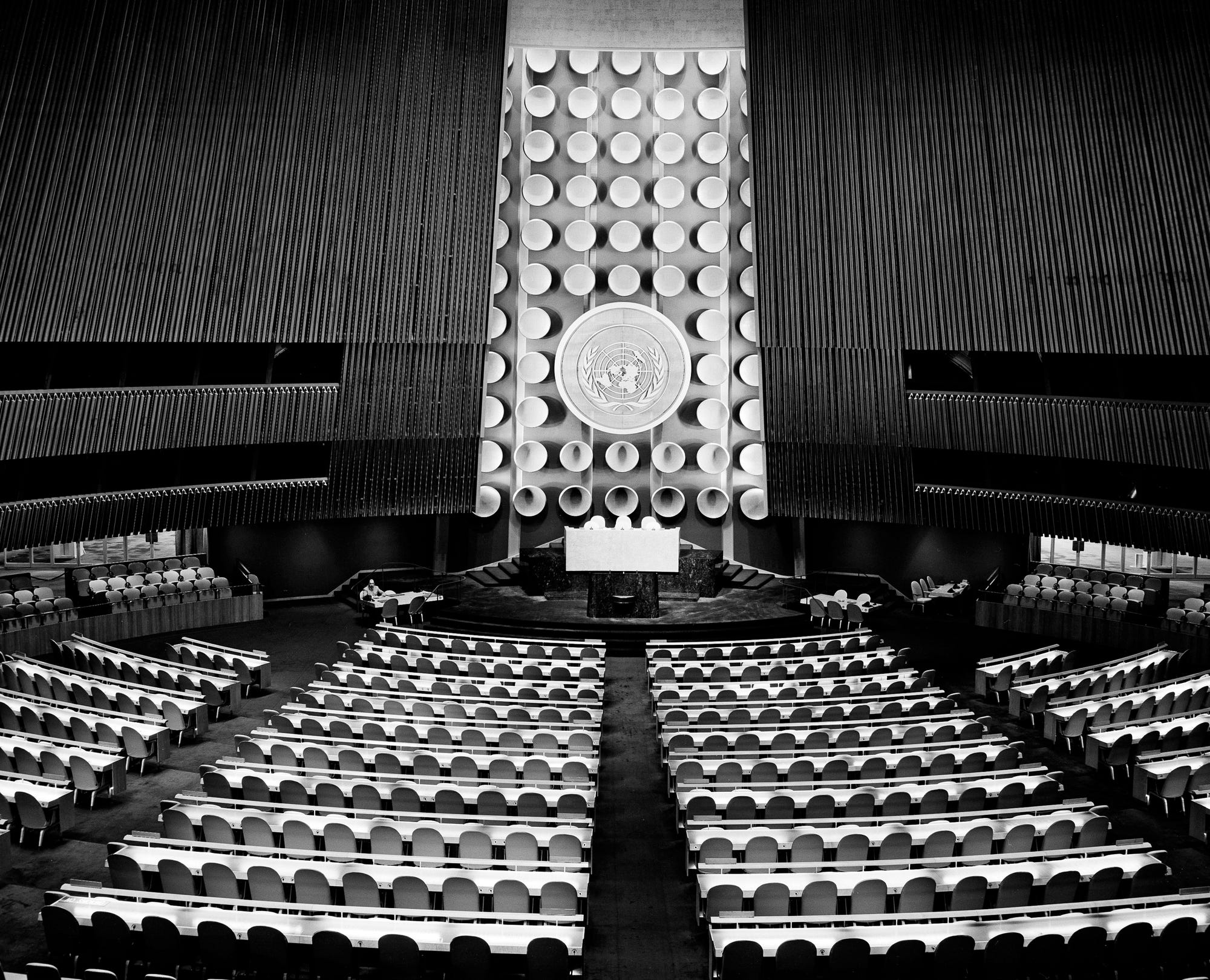
This is why so many of the century’s defining speeches were delivered in the General Assembly rather than somewhere quieter. Because it allows every member to speak, it forces others to listen. And, crucially, it keeps happening.
The third week of every September, the Member States return to the same room for the annual General Debate, even when the faces behind the country placards may sometimes change. Understood this way, cooperation is about more than agreement. Its roots are in the repeated political interactions that make compromise or collective action possible.
Robert Axelrod gave this intuition a more formal shape in his 1984 classic, The Evolution of Cooperation. Axelrod’s starting point is that when interests align, you don’t need to think very hard about cooperation. It is when they diverge, when there’s some grit in the relationship and cooperation is not the automatic path, that the question becomes interesting. Looking at the “live and let live” arrangements that emerged between German and Allied soldiers in the First World War, Axelrod observed that “friendship is hardly necessary for cooperation based upon reciprocity to get started.” Under the right conditions, he argued, “cooperation can develop even between antagonists.”

His crucial insight was that repeated encounters change the calculation. Reciprocal cooperation depends on the expectation of meeting again. “The future must have a sufficiently large shadow,” he wrote. And that is something an Assembly can provide: the expectation that, however badly today’s meeting or news cycle goes, the Member States will still have a room in which to come back together.
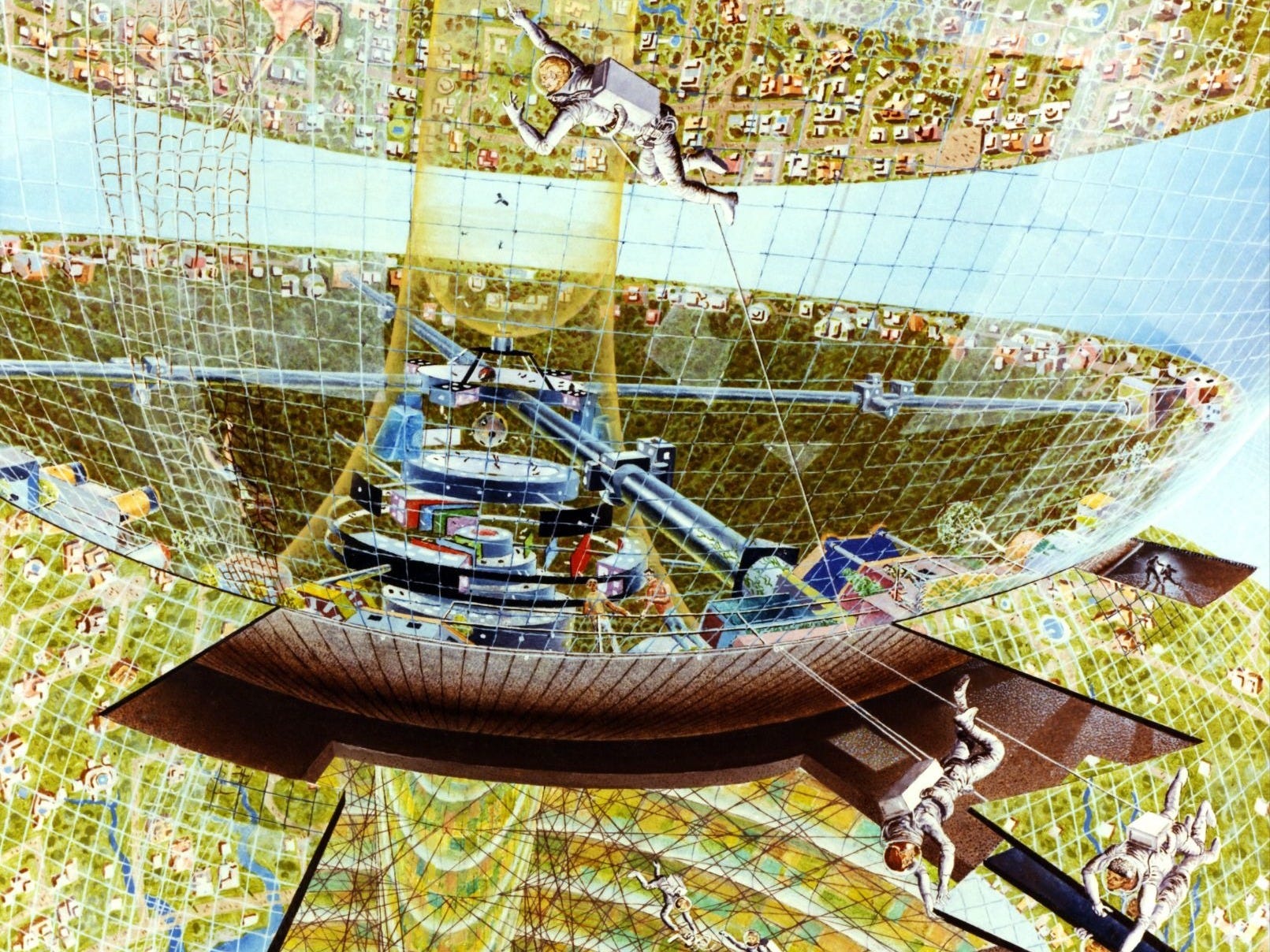
In The Expanse, a sprawling space opera, we find a different scenario. The UN survives in a balkanized solar system, but only as Earth’s government, not a neutral convening body. It has become the type of great power that oversaw its creation, rather than a room that can bring Earth, Mars, and the Belt together to cooperate. It has its own interests to protect, and as a result, the solar system spends nine books sliding in and out of war.
Messy, but essential
In January 2027, a new leader will step into the world’s toughest job at a time when the world threatens to become as balkanized as The Expanse’s solar system. One thing is certain: real life will not follow fiction. The incoming Secretary–General will lead a body facing many threats with few powers.
They may find, though, that the General Assembly, and the room it creates for cooperation, is the most underrated resource that comes with the job. Its 193 members, and two observer states, are not an undifferentiated mass; they organize themselves into networks and coalitions around shared interests. At best, each cluster creates new possibilities, in line with Axelrod’s most hopeful claim that cooperation can be contagious.
Take the July 2025 advisory opinion from the International Court of Justice on states’ legal obligations to combat climate change. What began as a campaign by twenty-seven law students in Vanuatu grew into a Pacific coalition, then a rebel alliance of eighteen states, and ultimately a resolution agreed by consensus of the whole chamber.
A Secretary-General who understands what the General Assembly is and what it can do will see it as one of the few arenas in international politics deliberately engineered to keep cooperation alive. Mark Malloch-Brown, a former UN deputy secretary-general and co-host of our podcast World’s Toughest Job, believes this to be true. He closed the series predicting a slow “recalibration” from a Security Council-led organization toward one that is increasingly General Assembly-led.

For the next Secretary-General, that means managing the drift toward what Mark Malloch-Brown calls “a new, more dispersed ownership.” It is a process he expects to be “messy and difficult, but essential if the UN is to survive.”
Do not expect an easy transition. Yet almost a century after Edmond Hamilton first imagined his Council of Suns, science fiction and political reality keep converging on a load-bearing idea. An assembly does not need overwhelming power to matter. Sometimes it is enough that it keeps a room open for cooperation.