![[Re]Group: A Playbook for Turbulent Times](https://substackcdn.com/image/fetch/$s_!PUHU!,w_120,h_120,c_fill,f_webp,q_auto:good,fl_progressive:steep/https%3A%2F%2Fsubstack-post-media.s3.amazonaws.com%2Fpublic%2Fimages%2Ff2fb4256-d509-4e61-827b-2ee678efbba9_256x256.png)
![[Re]Group: A Playbook for Turbulent Times](https://substackcdn.com/image/fetch/$s_!OvcZ!,e_trim:10:white/e_trim:10:transparent/h_182,c_limit,f_auto,q_auto:good,fl_progressive:steep/https%3A%2F%2Fsubstack-post-media.s3.amazonaws.com%2Fpublic%2Fimages%2Fa2653539-a634-4ef5-9aab-bc4a7546ebc9_1344x500.png)


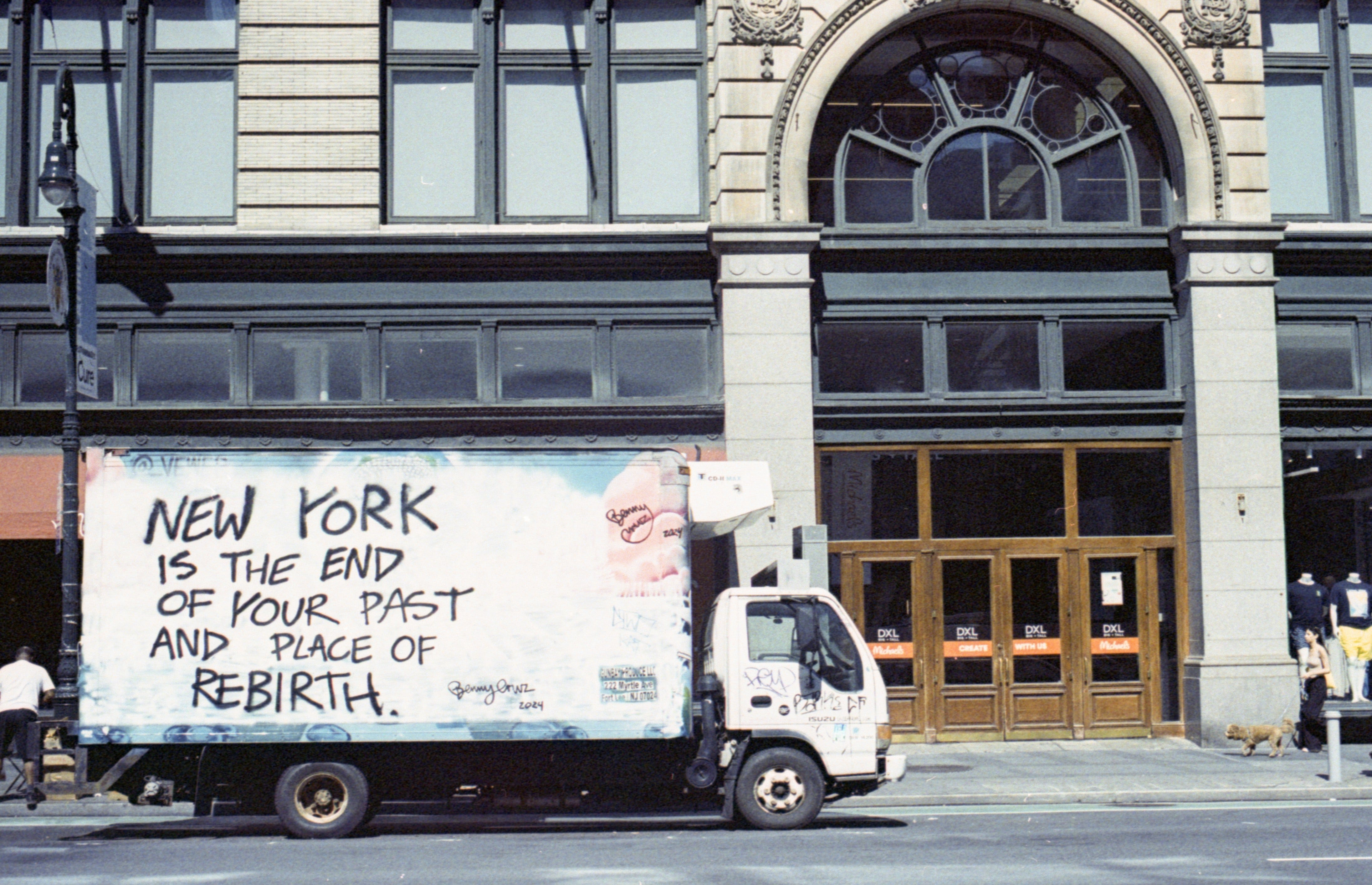
“Life is a fashion show, the world is your runway,” said designer Marc Jacobs. After the editors, models, and celebrities head home from New York Fashion Week, the diplomatic world sets up its own show.
With motorcades instead of models and lanyards instead of Loewe, High-level Week kicked off on September 18, though the attendant (side) events, private huddles, invite-only discussions, and even a few glitzy receptions, were well under way the weekend before.
Between Climate Week and platforms for gender equality and global health, the UN General Assembly (UNGA) covers every issue. The look of the season might have been AI, but the next Secretary-General and the future of multilateralism were not far behind.
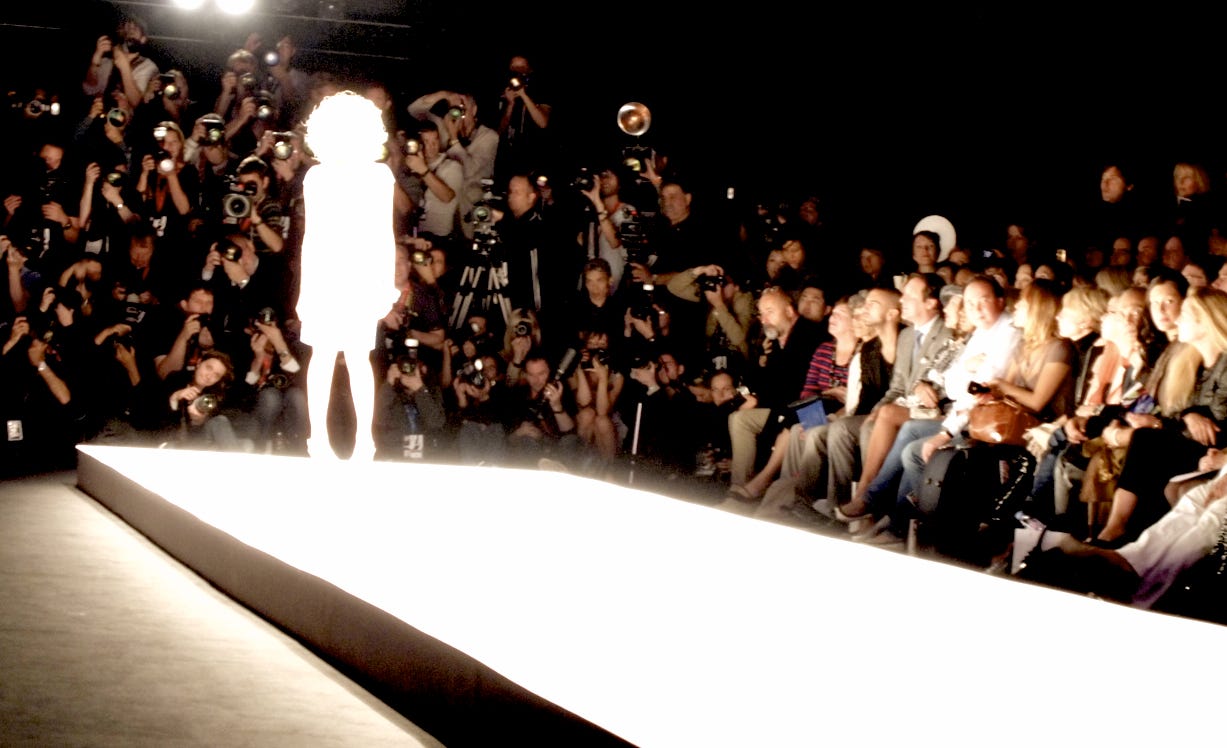
That’s our beat and we covered as many of those events as we could. So, we’re focusing on what we saw from that section of the front row: five trends that will define the UN’s next collection, and what to expect from its new season.
Five Trends from Our Beat
1. It’s all about the entourage
It was the last walk down the runway for Secretary-General António Guterres. After 10 years, he moves on, in his words, to “keep championing the conviction that peace is possible.”

While no-one knows who will replace the current Secretary-General, one message was clear: The next leader will only be as effective as the people around them. The UN’s problems are too big to solve alone, and its “culture of caution” won’t change unless the incoming leader can hand-pick a bold senior team.
But will the major labels cede creative control? At Tuesday’s 1 for 8 Billion event, speakers warned that P5 support is being traded for top jobs (a backroom exchange their research shows is practically tradition). At different event, one former insider criticized the “jobs for rejects” approach some capitals take to unload “overstock” talent into senior roles (while admitting he benefited from a ring-fenced post himself).
2. The designer doesn’t sew every stitch
The consensus on First Avenue is shifting: the UN’s future lies in setting standards and conferring legitimacy, not delivering every program on the ground. As we read in Devex this week, in a world of multiplying coalitions, the UN should focus on what only it can do. And stop competing with the ecosystem of ateliers who possess the hands-on expertise the couture house lacks.
Member States are tailoring their strategies to this pattern, offering political leadership for reform, and lining up behind the causes that matter most to them. Brazil, the European Union, Kenya, and Canada launched Partners for Multilateralism to build flexible coalitions around the UN rather than bypass it, while a group of die-hard multilateralists backed a Finnish-Norwegian call for a UN-anchored AI verification body “to set standards, enable verification, and convene states when capability thresholds are crossed.”
In each of these cases, the coalition did the heavy lifting, but the UN offered the platform.
3. Reform is this season’s must-have, (but comes in different fabrics)
Reform was as on-trend as an aggressively oversized blazer. The public wants it (87% in a 20-country UN Foundation poll), insiders agree (Devex says 62% want a serious overhaul), and the word itself flashed in neon above every UNGA stage.
But a blazer is shaped as much by its fabric as its design. This week, we saw reform cut from three different types of cloth. Washington is all about the bottom line, asking each SG candidate to slash prices and trim excess inventory.
Others want to “shrink the UN” so it can focus on a single line: peace and security. And they are not afraid to say that it is time to go “back to basics,” as they push for a Secretary-General who will end wars and stop “waiting for permission to act.”
In rooms led by Global South voices, reform isn’t about the cost or the clothes, it’s about brand ownership and renewal. Giving a real say to shut-out countries means shifting power, we heard one speaker say, which is why it’s so hard.
4. Peace and security is back in season, and Sudan could be the first fitting for the next SG
Conflicts in Gaza, Ukraine, and Iran dominated the headlines. But, in quieter rooms, the spotlight was on Sudan and the role the UN can play in stopping the slaughter.
It is where the Council already has a mandate and the major powers are less polarized. The next Secretary-General, we heard, needs a “loud win,” and Sudan kept coming up as the place to find one, especially as the UN’s absence leaves a vacuum for competing mediators (a point made at the Alliance for Peacebuilding event).
Some said the next Secretary-General should bring options on Sudan to the Council and push for a vote. We published an essay last week that offered an original design for the new leader’s first 100 days, starting with an arms embargo, a Special Envoy with Council backing, and a political mission.
The advice to the UN? Be “caught trying.”
5. The audience likes the show more than the critics do
Read too much about UNGA and you might conclude that multilateralism, like fashion, is obsolete. One former Prime Minister worries we’re living through the devil’s decade, while a columnist believes the UN is “rotting from the head down.” We suspect more than one panelist is already working on a “Beyond Repair” collection to send down the runway sometime in 2027.
The public, it turns out, hasn’t read these reviews. Pick almost any poll and you land on roughly the same baseline for trust: 6 in 10 (UN Foundation, Rockefeller, Edelman, with Gallup a little more pessimistic). Only 6 in 10? As [Re]Group argued in The Four Tribes of Global Governance, you can’t declare the UN brand dead when it outperforms national governments, the media, and other legacy labels on the catwalk.

A few fashionistas have read the same tea leaves. At the Ford Foundation, one summed it up with a line: “citizens are ahead of their leaders” in championing multilateralism. But, she also added a warning that there are well-funded efforts to undermine their goodwill.
Designers learned long ago that a brand cannot survive if it loses touch with the streets. The UN needs the same “trickle-up” effect to bring unpolished energy into the building. Put that on your mood board for next season.

Fashion Forward
Reading List on the Future of Multilateralism
Luiz Inacio Lula da Silva, António Costa, William Ruto and Mark Carney (FT) dropped a heavyweight defense of multilateralism ahead of Monday’s launch of their new coalition.
Mark Malloch-Brown (NPR) says Security Council gridlock creates space for a diplomatically creative Secretary-General and fleshes out his proposals for a 100-day sprint.
Elizabeth Cousens (Envoy Magazine) pitches her proposals for the first 100 days, with early wins on forgotten conflicts, global public goods, and frontier domains like AI and space.
Jeff Feltman ([Re]Group) proposes a five-points peace and security playbook: Sudan, humanity in war, security in the Gulf, securing the AI revolution, and “get the envoys appointed.”
Comfort Ero (EL PAÍS) argues the UN’s decline is a choice, warning that the P5 might prefer a compliant “secretary” over an assertive “general.”
Richard Gowan (Foreign Affairs) wants a slimmer UN focused strictly on mediation, humanitarian aid, and a minimalist set of goals.
Elizabeth Cousens and Susana Malcorra (Devex) argue the UN needs to assert its unique role in the international cooperation ecosystem.
David Miliband (Foreign Policy) calls for an update of the SDGs, citing IRC research that conflict has set global progress back 18 years.
Philipp Schönrock (Project Syndicate) lays out a 100-day SG roadmap built around a senior team chosen for independence and courage.
Eric Alter and Nickolay Mladenov (The National Interest) argue the UN should streamline by design rather than shrink by accident.
The Shows to Be Seen At
Project Syndicate and Ford Foundation: Heather Gerken, Comfort Ero, Susana Malcorra, Anne-Marie Slaughter, Jayati Ghosh, and others remade the UN.
Rockefeller Foundation: Gordon Brown and Rajiv Shah launched a Call to Action from 100 former leaders (Jacinda Ardern, Ellen Johnson Sirleaf, Helen Clark, Michelle Bachelet).
Foreign Policy and UN Foundation: Live podcast taping of World’s Toughest Job with Comfort Ero, Thant Myint-U, Elizabeth Cousens, and Ravi Agrawal.
Club de Madrid and International IDEA: Laura Chinchilla launching the Global Commission on Multilateralism and Democracy report.
Open Society Foundations and International IDEA: María Fernanda Espinosa (the only candidate we saw on stage) with Pedro Abramovay, Kevin Casas-Zamora, and Robert Orr on democracy and human rights.
GWL Voices: Flagship Madam Secretary-General event with Helen Clark, Susana Malcorra, Binaifer Nowrojee, and Ambassador María Alonso Giganto.
Alliance for Peacebuilding et al.: Eva Khair, Roberto Dondisch, Laure Miller, and Ugo Solinas tackling crisis response and peacebuilding.
Security Council Report: Comfort Ero, Jeff Feltman, Shamala Kandiah Thompson, and Natalie Samarasinghe dissecting the “for better or for worse” relationship between the Secretary-General and the Security Council.
Sustainable Development Solutions Network and The Brazilian Center for International Relations (CEBRI): Pepukaye Bardouille (Bridgetown Initiative) and Olav Kjørven (Article 109) joining former leaders to renew cooperation for climate, biodiversity, and sustainable development.
The SG Roundup
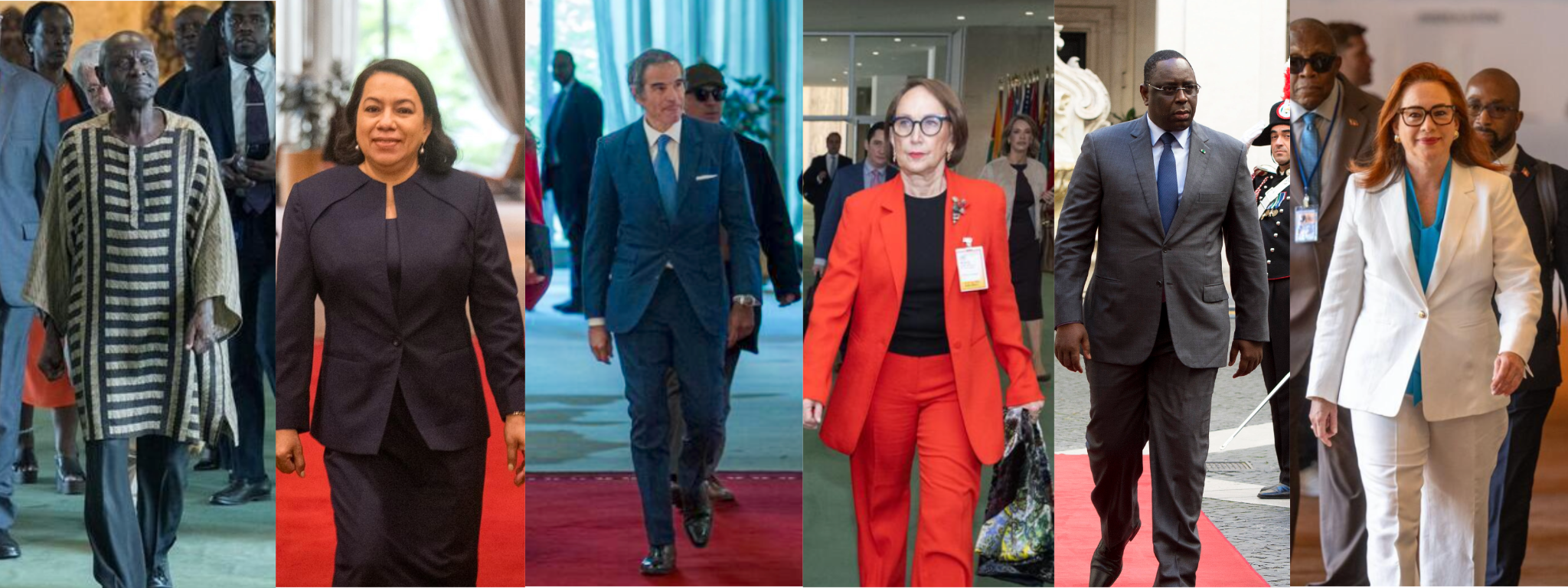
Michelle Bachelet withdrew after the Sept. 18 straw poll gave her one “encourage” and 11 “discourages.” See our last Weekly for where the race stands.
In the corridors, speculation centered on a dark horse candidate (our Anointed in the Shadows scenario) or a late decision (Into the Abyss). For the latter, read what 1 for 8 Billion thinks will happen if there’s no decision by the end of the year.
Many think the merit-versus-gender debate is settled, with highly qualified women leading the race. Choosing a man would now be a deliberate decision and couldn’t be blamed on the talent pool.
Expect the fourth straw poll on Monday (Sept. 28). But word on the street is the ballots will stay monochrome for one more round, so we’ll have to wait to see any P5 vetoes. It’s the last chance for the French presidency to add a splash of color, though.

And the biggest news of all: If you couldn’t make it for our live recording, our World’s Toughest Job bonus episode with Comfort Ero and Thant Myint-U will drop on podcast platforms on Tuesday (if nothing goes wrong). Hosts Jasmin Bauomy and Mark Malloch-Brown are also joined by a mystery guest from Barbados (not Rihanna).

ICYMI

Catch our latest episode with Mark Leon Goldberg on Global Dispatches.
