![[Re]Group: A Playbook for Turbulent Times](https://substackcdn.com/image/fetch/$s_!PUHU!,w_120,h_120,c_fill,f_webp,q_auto:good,fl_progressive:steep/https%3A%2F%2Fsubstack-post-media.s3.amazonaws.com%2Fpublic%2Fimages%2Ff2fb4256-d509-4e61-827b-2ee678efbba9_256x256.png)
![[Re]Group: A Playbook for Turbulent Times](https://substackcdn.com/image/fetch/$s_!OvcZ!,e_trim:10:white/e_trim:10:transparent/h_182,c_limit,f_auto,q_auto:good,fl_progressive:steep/https%3A%2F%2Fsubstack-post-media.s3.amazonaws.com%2Fpublic%2Fimages%2Fa2653539-a634-4ef5-9aab-bc4a7546ebc9_1344x500.png)
By Stéphanie Fillion, an award-winning journalist and editor-in-chief of Envoy Magazine
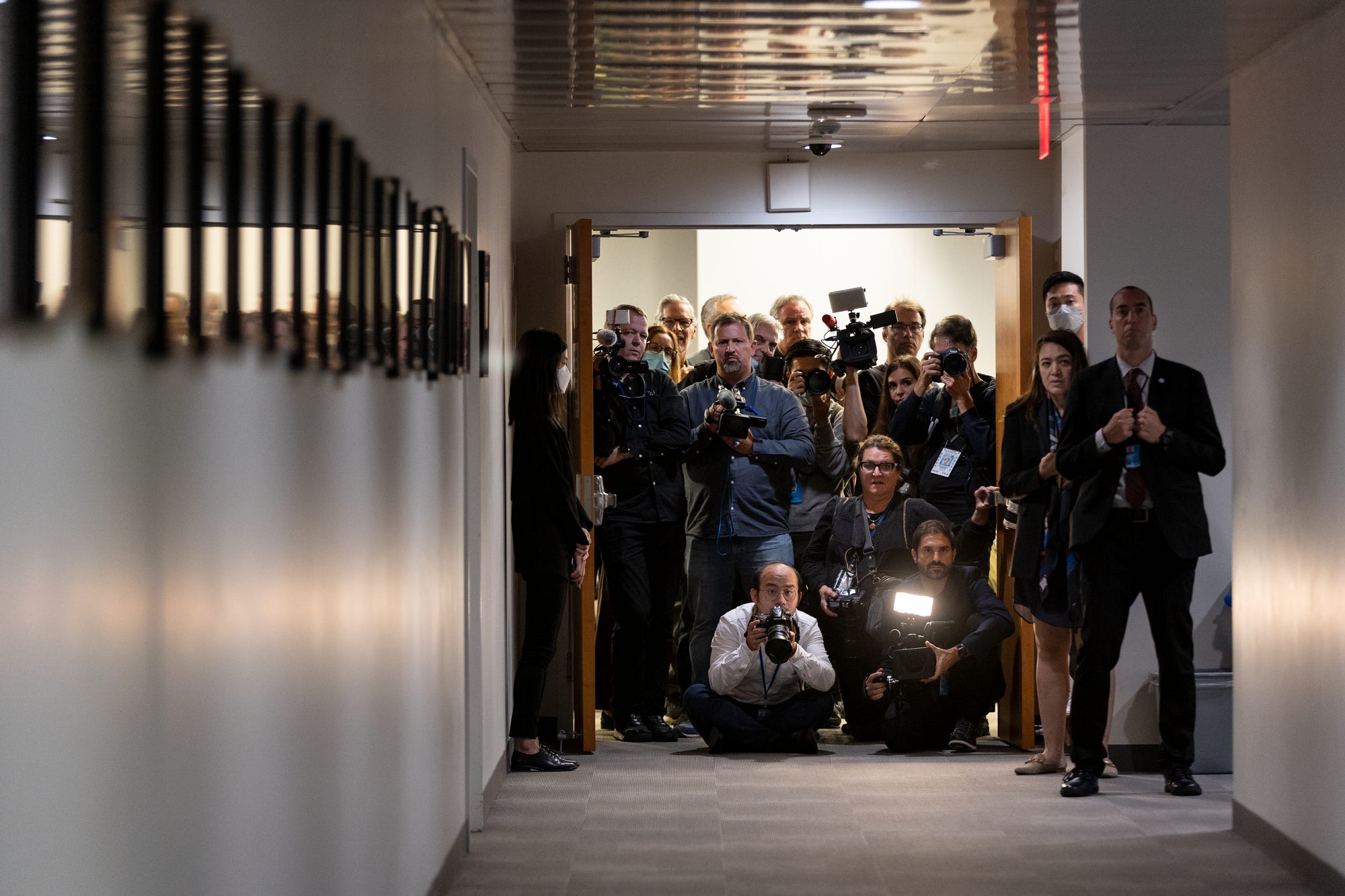
Crime sells.
For generations, editors have operated on some variation of this principle: conflict, scandal, and sensation attract attention. “If it bleeds, it leads” may be a cliché, but there is evidence behind it. Research across 17 countries found that people, on average, react more strongly to negative news than positive news, helping explain why news organizations competing for attention gravitate toward stories about things going wrong.
The UN is no exception.
When the organization makes headlines, it is often because something has failed: another deadlock in the Security Council, another corruption scandal, another diplomatic confrontation or, during the General Assembly High-level week at the worst possible time, an escalator breaks.
The quieter story is what happens every day. UN agencies feed millions of people, vaccinate children, assist refugees, monitor elections, negotiate humanitarian access and maintain peacekeeping operations around the world. Much of that work rarely becomes headline news.
That imbalance has serious consequences for the organization and perpetuates a belief that the UN is deeply flawed. But the answer is not to ask journalists to write more flattering stories about the UN.
It is to make sure there are enough journalists left to cover it properly, make it relevant to everyday people, and, more importantly, hold the organization accountable.
The disappearing UN correspondent
Over my years covering the UN, I have watched one news organization after another scale down or close its UN operation.
This is partly an industry story. Foreign bureaus are expensive, newsroom budgets have shrunk, and international institutions can be a difficult sell to audiences already overwhelmed by wars, elections and domestic politics.
But the UN presents an additional problem for reporters: Too many stories appear to end in the same place. A crisis comes before the Security Council. Diplomats negotiate. A resolution is drafted. Then one of the five permanent members (China, France, Russia, the United Kingdom, or the U.S.) blocks action or threatens to do so.
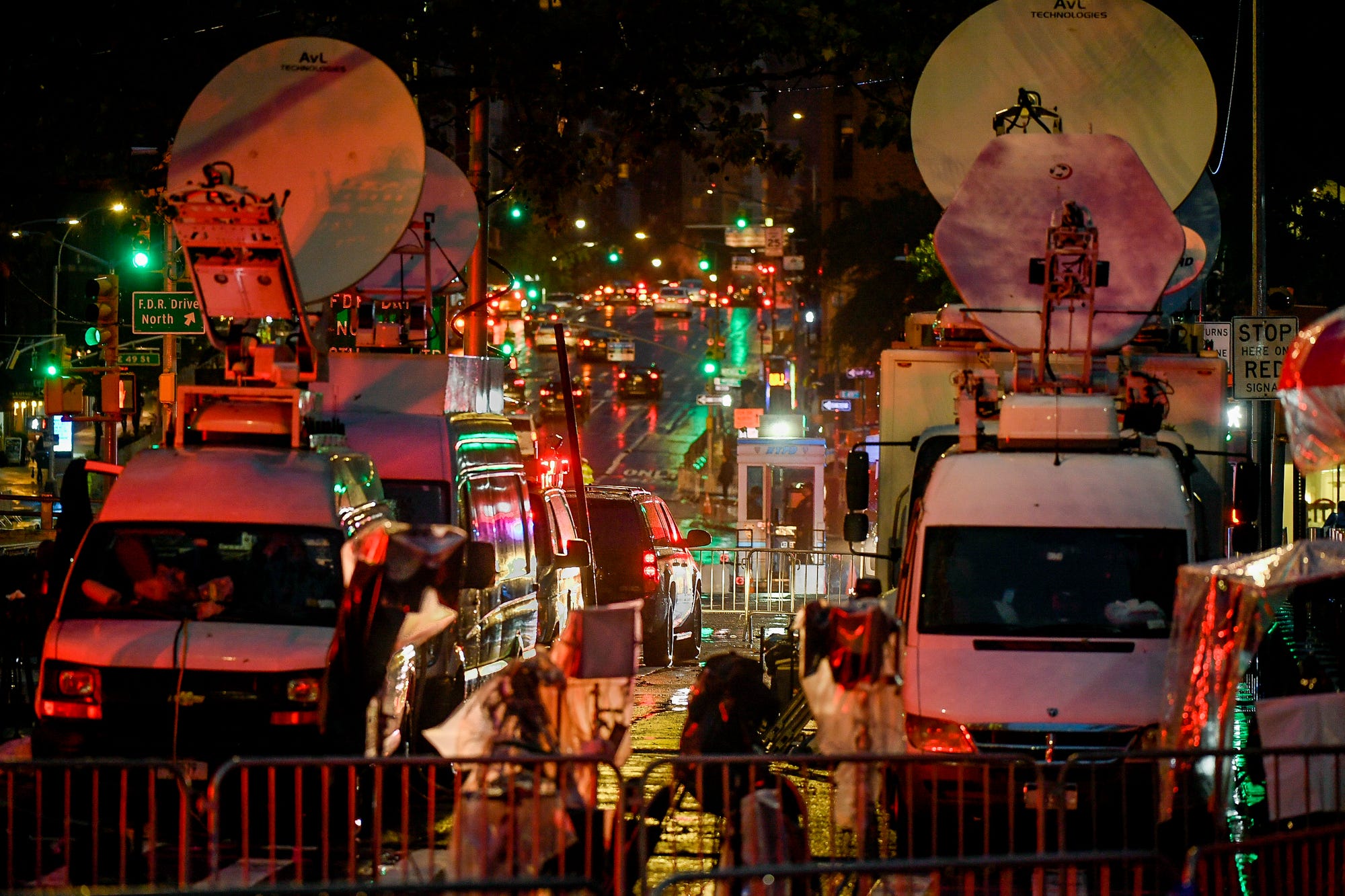
We have seen versions of this dynamic over Ukraine and Gaza. The same concentration of power is built into the selection of the UN Secretary-General, where the Security Council recommends a candidate to the General Assembly and, in practice, any permanent member can prevent a candidate from advancing.
After enough stories ending with some variation of the UN was unable to act, a broader conclusion can become entrenched into public consciousness: The UN itself is useless.
And that creates a vicious cycle: If audiences believe the UN does nothing, people don’t want to read about it, and editors have less incentive to devote reporters to covering it. With fewer reporters covering the institution every day, fewer stories explain what it actually does, how decisions are made and, crucially, who is responsible when it fails.
Eventually, “the UN failed” becomes the story rather than the beginning of the story.

Bad press is part of the UN’s immune system
There is another reason the UN often receives negative coverage: Journalists are doing their jobs.
The romantic image of the reporter as watchdog may be old-fashioned, but the principle behind it is not. Remember the Fourth Estate? Generations of aspiring journalists have grown up with some version of the Woodward-and-Bernstein ideal from All The President’s Men: Follow the trail, challenge powerful institutions and expose what they would rather keep hidden.
Journalism is not public relations. Reporters are supposed to look for what institutions would rather the public not see.
For the UN, that scrutiny is particularly important.
The organization operates across dozens of jurisdictions, manages enormous budgets and procurement systems, employs staff around the world and benefits from a complex web of privileges and immunities. Its work can take place far from the countries whose taxpayers ultimately finance it.
That creates opportunities not only for extraordinary public service but also for abuse, waste, and misconduct.
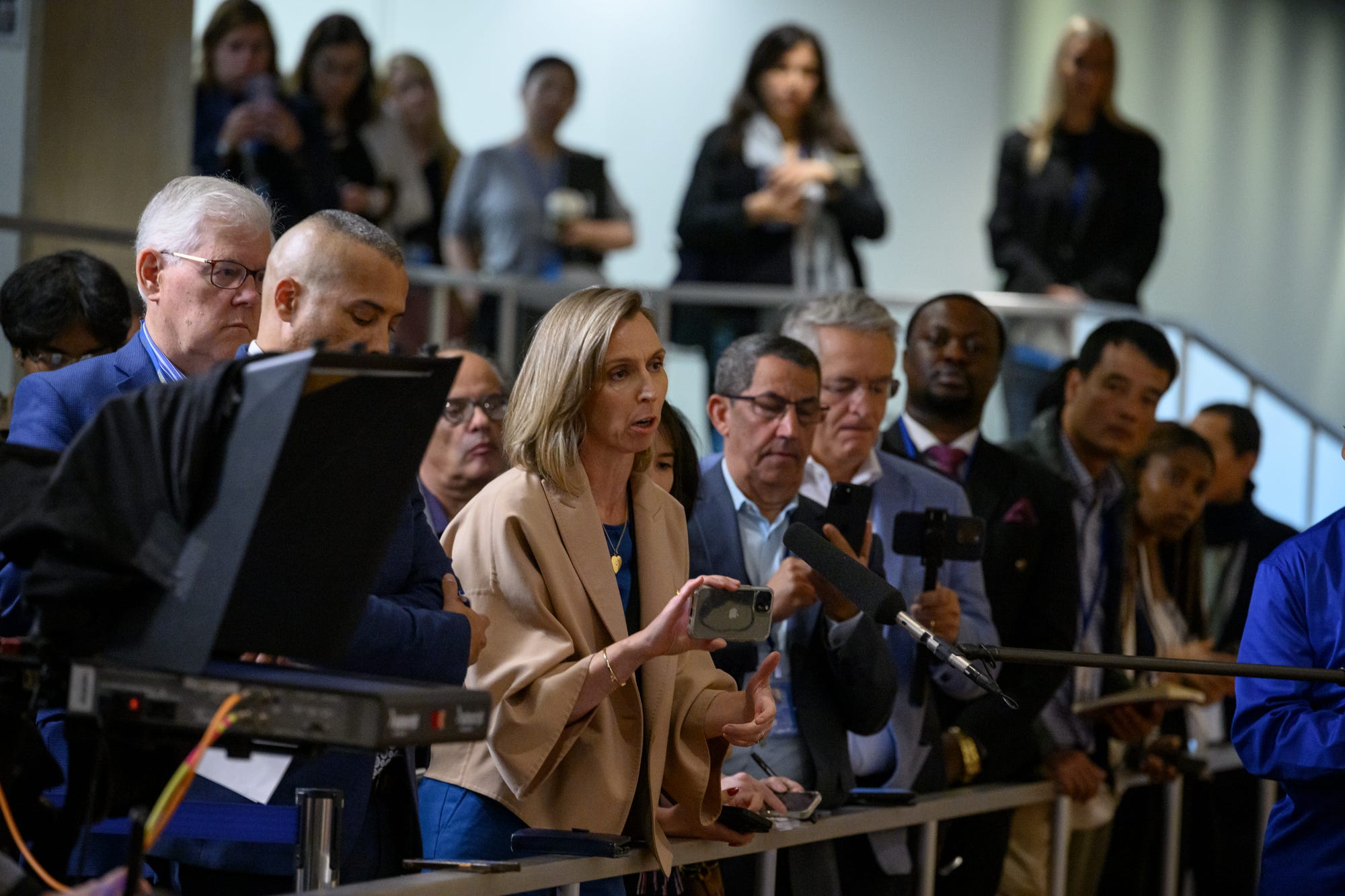
I have seen what happens when reporters begin digging beyond the daily cycle of Security Council meetings, diplomatic speeches, and press conferences. Staff members have stories to tell. Whistleblowers come forward. Internal disputes reveal larger institutional problems. Decisions that appear bureaucratic from the outside can involve significant sums of public money.
Sometimes, a Pandora’s box opens.
That reporting can be uncomfortable for the institution. It is also indispensable to it.
The UN cannot credibly advocate for transparency, freedom of expression, and accountable government around the world while expecting less scrutiny of itself. Investigative reporting should not be viewed as hostility toward the organization. In many cases, it is one of the mechanisms that can help protect its credibility. It is a public service, even.
The greater danger would be a UN that nobody bothers to investigate. This is a scary zone we risk entering in if the public discourse around the organization doesn’t change.
But watchdog journalism requires journalists
Here lies the paradox.
The negative coverage surrounding the UN can appear to demonstrate a media bias against the organization. Yet much of that reporting exists precisely because journalists believe powerful institutions should be scrutinized.
At the same time, the number of journalists with the time and institutional knowledge to perform that scrutiny is shrinking. Years after years, I’ve seen talented colleagues lose their jobs without even being replaced.
A correspondent consumed by wars, emergency Security Council meetings, diplomatic visits, and the General Assembly, can spend an entire day listening to speeches and still have barely scratched the surface of the institution.
What disappears first when resources shrink is often not breaking news. It is everything underneath it: procurement, management, internal justice, staffing, budgets, implementation and accountability.
Those stories are less visible than a Security Council veto. They may also tell us more about whether the UN is actually working.
The UN now tells its own story
There has been one major change in this information ecosystem: The UN no longer depends entirely on journalists to communicate with the public.
Social media has given international organizations something they never had in the era when newspaper correspondents acted as the primary gatekeepers between institutions and audiences: direct access to millions of people.
According to Melissa Fleming, the UN Under-Secretary-General for global communications, the organization’s core social media accounts collectively reach more than 70 million followers.
That gives the UN an enormous capacity to showcase work that traditional media may overlook: food deliveries, vaccinations, peacebuilding projects, refugee assistance, and humanitarian operations that rarely become breaking news.
That is valuable, but institutional communications cannot substitute for independent journalism.
The UN can tell the world what it is doing. It cannot be expected to independently investigate whether it is doing it well. I don’t think it does, either.
The answer is more coverage, not less
So why do journalists seem to cover the UN mostly when it fails?
Partly because failure is news. A Security Council unable to respond to a war is more newsworthy than an agency successfully completing the work it was created to do, or a successful mandate rollover.
Partly because journalists are watchdogs, and institutions entrusted with international authority and public money deserve scrutiny.
And partly because the journalists who once covered the UN every day are disappearing.
That last trend should worry both critics and defenders of the organization. That’s why I’ve decided to stick around and lead Envoy Magazine, a UN-focused media organization. According to the Reuters Institute, the rise of AI means that publishers that stand out from the overload of content will do so by quality, relevance, or connection. But Envoy is not alone, other specialized news outlets such as PassBlue, Geneva Solutions and The New Humanitarian have done this work long before we have. All of these examples and independent, non-profit outlets survive on public donations.
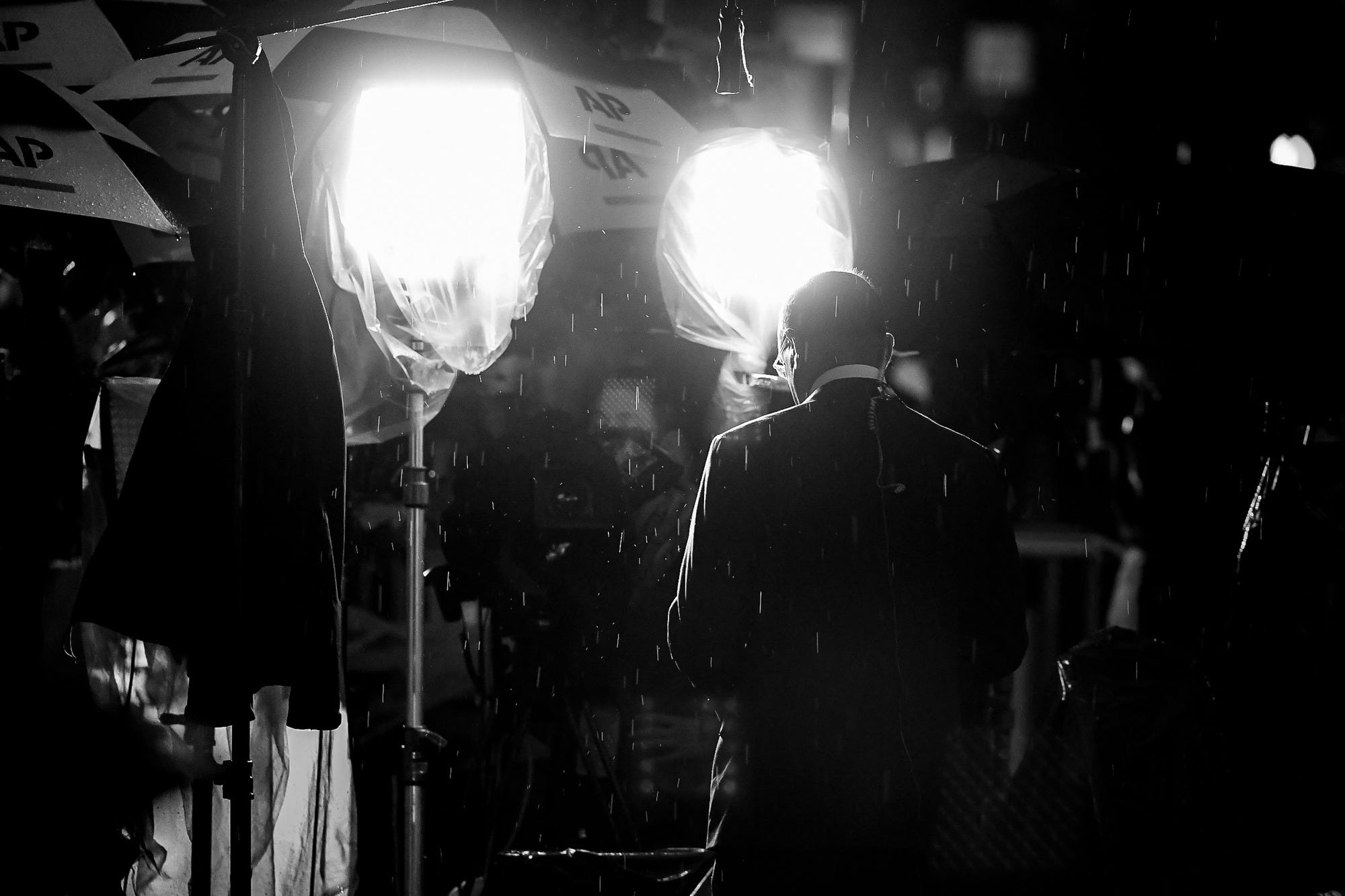
A strong UN press corps should expose corruption, investigate misconduct, and challenge officials, not just write about a veto in the security council, mingle with diplomats at a reception, and then go home.
But it should also have the institutional knowledge and resources to distinguish between a failure of the UN bureaucracy, a failure of its leadership, and a political decision imposed by its Member States.
When they are collapsed into the familiar headline that “the UN failed,” we understand neither the organization nor the governments that control it particularly well.
The UN does not need journalists to give it better press. It needs enough journalists around to give it better scrutiny.
As the UN implements much-needed reforms with a shrinking budget and a new Secretary-General takes over in a few months, watchdogs with the time and energy to pay it the attention it deserves will be needed more than ever.
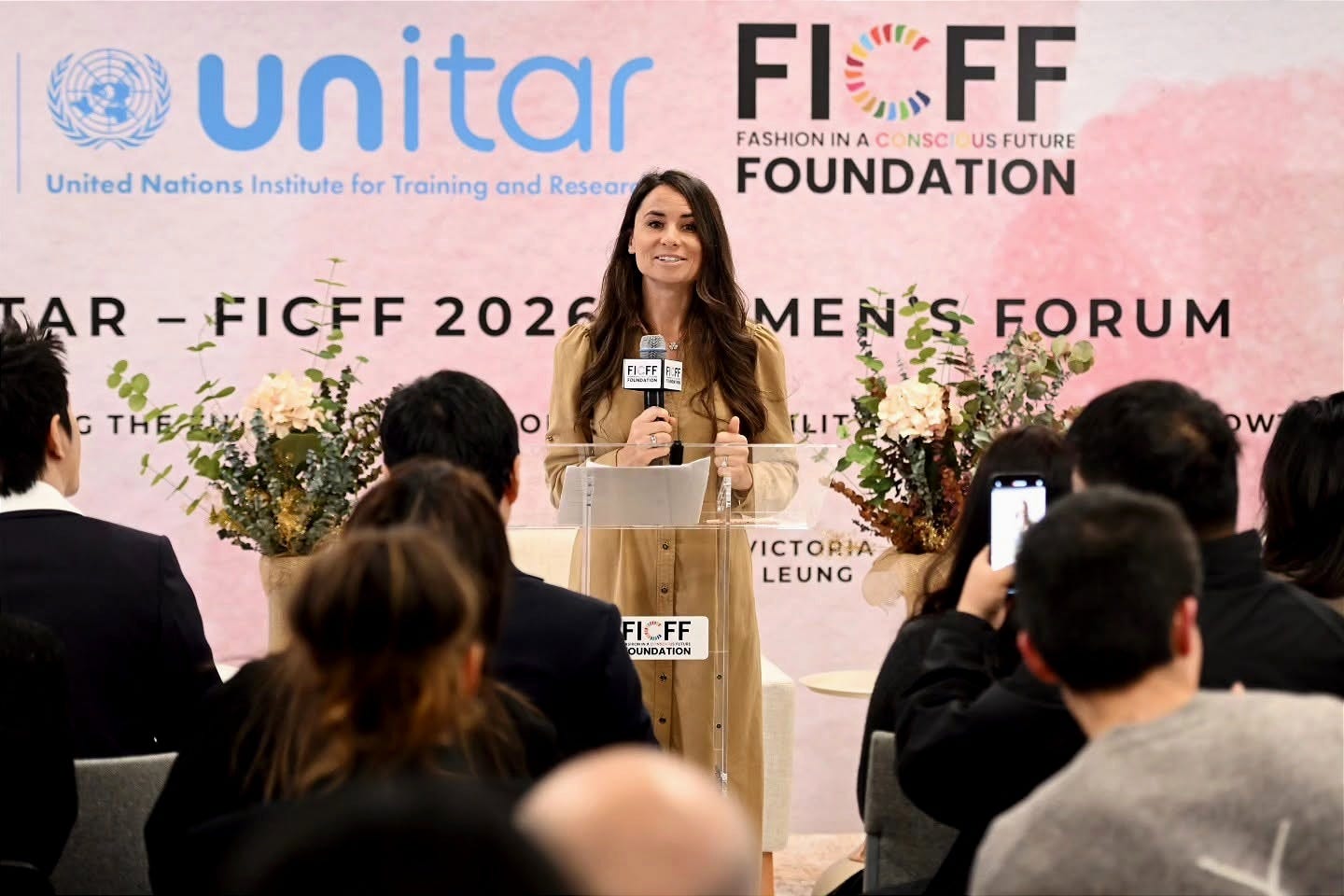
About the author
Stéphanie Fillion an award-winning journalist and editor-in-chief of Envoy Magazine.
LinkedIn: Stéphanie Fillion
Instagram: @envoy.mag
X: @fillionsteph10 | @envoyUNEmag

