![[Re]Group: A Playbook for Turbulent Times](https://substackcdn.com/image/fetch/$s_!PUHU!,w_120,h_120,c_fill,f_webp,q_auto:good,fl_progressive:steep/https%3A%2F%2Fsubstack-post-media.s3.amazonaws.com%2Fpublic%2Fimages%2Ff2fb4256-d509-4e61-827b-2ee678efbba9_256x256.png)
![[Re]Group: A Playbook for Turbulent Times](https://substackcdn.com/image/fetch/$s_!OvcZ!,e_trim:10:white/e_trim:10:transparent/h_182,c_limit,f_auto,q_auto:good,fl_progressive:steep/https%3A%2F%2Fsubstack-post-media.s3.amazonaws.com%2Fpublic%2Fimages%2Fa2653539-a634-4ef5-9aab-bc4a7546ebc9_1344x500.png)

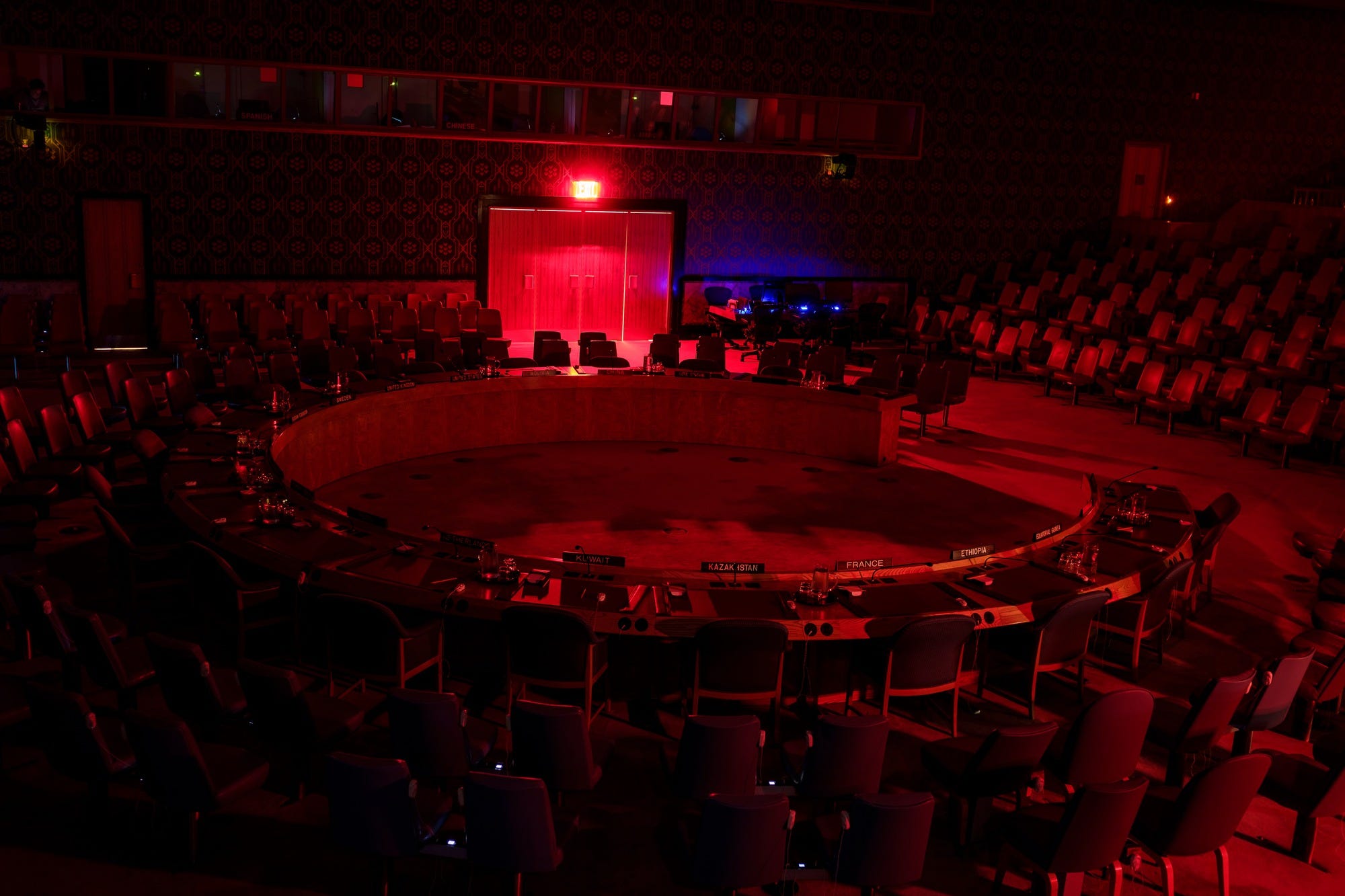
A UK election count has well-worn rituals. As results roll in from ill-lit sports halls across the country, a spokesperson for the losing party is cornered in the studio at 3:15 AM. Forced to abandon all media training, he reaches for that classic British euphemism: “There is no disguising the fact that it’s been a bad night for us.”
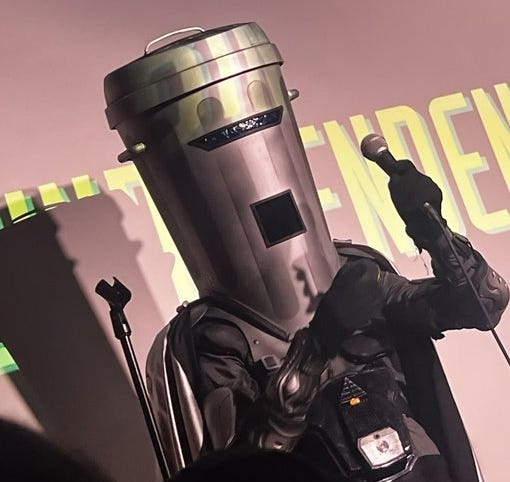
“I’m going to have to interrupt you there,” interjects the anchor. “We have a concession in Penistone and Stocksbridge.” The camera cuts to a Cabinet Minister delivering a career-ending (and occasionally tearful) speech while standing alongside someone called Count Binface or a candidate from the Monster Raving Loony Party.
That phrase popped into my head when the results of the third straw poll leaked to the usual outlets. It was a bad result for (almost) everyone hoping to be the next UN Secretary-General.
The first straw poll was a pretty classic affair. No outright frontrunner, but candidates received a mix of encouragement from their supporters and “no opinion” from the unconverted. Some candidates faced opposition, but more than half the field had two “discourages” or less. Those were sunnier days.
As we noted at the time, winter came for the SG race and it wasn’t ready. The Security Council’s mood was much gloomier for the second poll. And today it became even bleaker. Average “encourages” per candidate stood at 6.4 in the first round. They have now fallen to 4.5.
But it’s the “discourages” that stand out. They have more than doubled to an average of 7.8 per candidate, with a peak of 11 and a low of 5. There’s not a whole lotta love from the Security Council for the field in front of them. The misery of this “bad night” was widely distributed: every single candidate on the ballot collected more “discourages” than they did in August.
The candidate with some reason to be cheerful was Rebeca Grynspan. She was alone in gaining “encourages”, picking up two to lift her into first place with nine. She now narrowly leads Carolyn Rodrigues Birkett, who sits one behind in encourages (eight) and one ahead in discourages (six).
Remember: A single “discourage” can be fatal if it comes from a P5 member. We’ll find out who is facing a veto threat soon enough if the next straw poll — expected September 28 — moves to color-coded ballots (as it’s likely to do).
You know what else had a bad night? The straw polls themselves. After the last contested election a decade ago, the Security Council was warned that the system was failing — by one of its own: Japanese Ambassador Koro Bessho, who oversaw the first ballot as Council President in July 2016.
Bessho argued that straw polls failed at their primary job: forcing unviable candidates to withdraw with dignity. Because the secret ballots carried no formal consequences, ten candidates stubbornly stayed in the race until the bitter end, bogging down the Council’s decision-making. His ultimate remedy? Scrap the straw polls entirely.
Will any of the current tailenders take the hint and drop out, given that all but two candidates now have a majority of the Security Council actively voting against them? Maybe. But don’t hold your breath.
A couple of weeks ago, we proposed four scenarios for what happens next. The first — a winner from the existing pack — now looks less likely (but not impossible). The odds increasingly favor a dark horse riding to the rescue, either to pull off a swift victory (scenario two) or to fall at the first fence (scenario three).
If no one has a plan? We’ll be with you all the way through our “Into the Abyss” scenario, as deadlock stretches late into the year. I doubt anyone at the UN who isn’t British has heard of Count Binface, but given the Security Council’s current mood, it may be soon time for him to take his campaign global.
Partnership with Mark Leon Goldberg
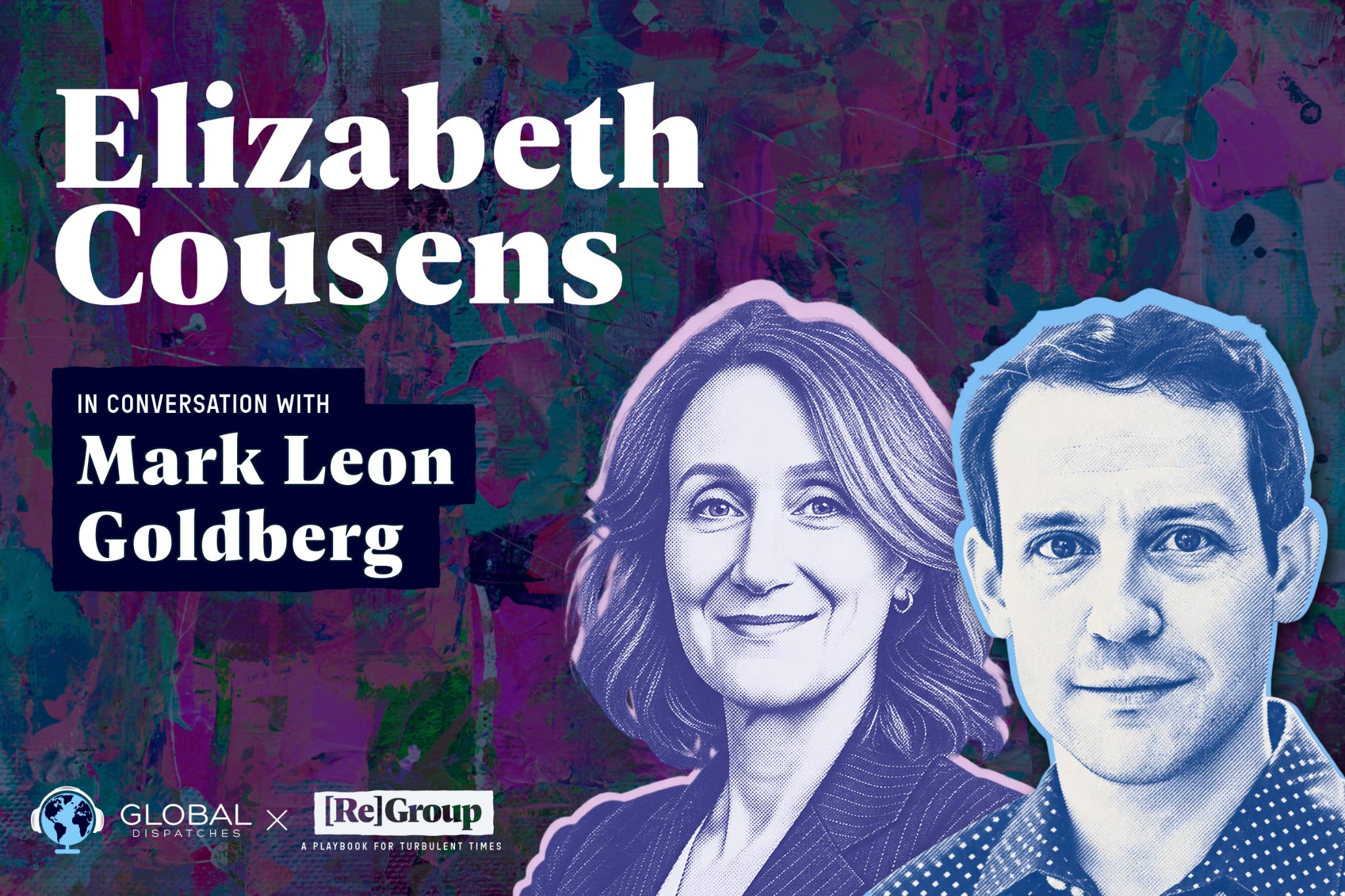
For our coverage of this UNGA, we’re partnering with Mark Goldberg’s Global Dispatches, a veteran journalist on the UN beat.
We launched our collaboration yesterday on Substack Live, with Elizabeth Cousens, President and CEO of the UN Foundation. They chatted about the SG race and what to look out for during the UNGA High-level Week.
The audio of the conversation will be released on Mark’s podcast this Sunday. More of a reader? Here’s the transcript.
It’s All About the Numbers
Reading List
This week: dive into new polls on the United Nations and the race to be Secretary-General that have been released to catch the UNGA news cycle.
What does the global public want from the next Secretary-General? A new 20-country poll (including all Security Council members) from the UN Foundation and GeoPoll reveals a race that has slid largely below the radar. But the public wants an outward-facing leader, not someone who will try to reform their way out of the UN’s decline. And 61% want a woman to get the top job.
Is global pessimism driving countries apart? A new 34-country poll from Rockefeller and Focaldata says not. Most of us believe the world is going to hell in a handcart, but support for international cooperation has held firm. Trust in the UN and other multilateral bodies is rising, and conflict prevention tops the global wishlist (just as it does for UN Foundation/GeoPoll).
Is the UN losing appeal? This one from Pew has been out for a few months. Across 37 countries, it finds that 55% view the UN favorably, but sentiment may be souring. Favorable views have dropped in 10 countries over the past few years, but younger generations are more likely to be fans of multilateralism than older adults.
A roundup that caught our eye, Albert Trithart at the International Peace Institute distills a mountain of data to a single takeaway: the public hasn’t lost faith in the UN, but it is tired of waiting for it to deliver on peace and security.
If you haven’t yet marked your dance card for UNGA 81, here is what you need to tango.
ICYMI

We are incredibly proud of World’s Toughest Job, our podcast co-production with Foreign Policy. If you haven’t listened to the eight episodes yet, you can find them here (along with lots of bonus content).

Naturally, we are looking forward to the UNGA bonus episode, which will be streamed live from New York from 12:00–1:00 P.M. ET on September 22. The edited cut — featuring a mystery guest — will hit all podcast platforms a week later.
Register for the live event (or head to the same link for the livestream). On stage, the International Crisis Group’s Dr. Comfort Ero and historian Thant Myint-U will make the case for what the next Secretary-General should lead, delegate, or drop in 2027.
Foreign Policy Editor-in-Chief Ravi Agrawal will referee, and the UN Foundation’s Elizabeth Cousens will kick things off. It’s going to be fast and possibly furious. And if you can be there in person, Foreign Policy will feed you afterwards.
Also, if you are still starved for SG content, four candidates — Michelle Bachelet, Rafael Grossi, Ivonne A-Baki, and María Fernanda Espinosa — will talk about democracy and human rights on September 23. International IDEA and Club de Madrid play host.